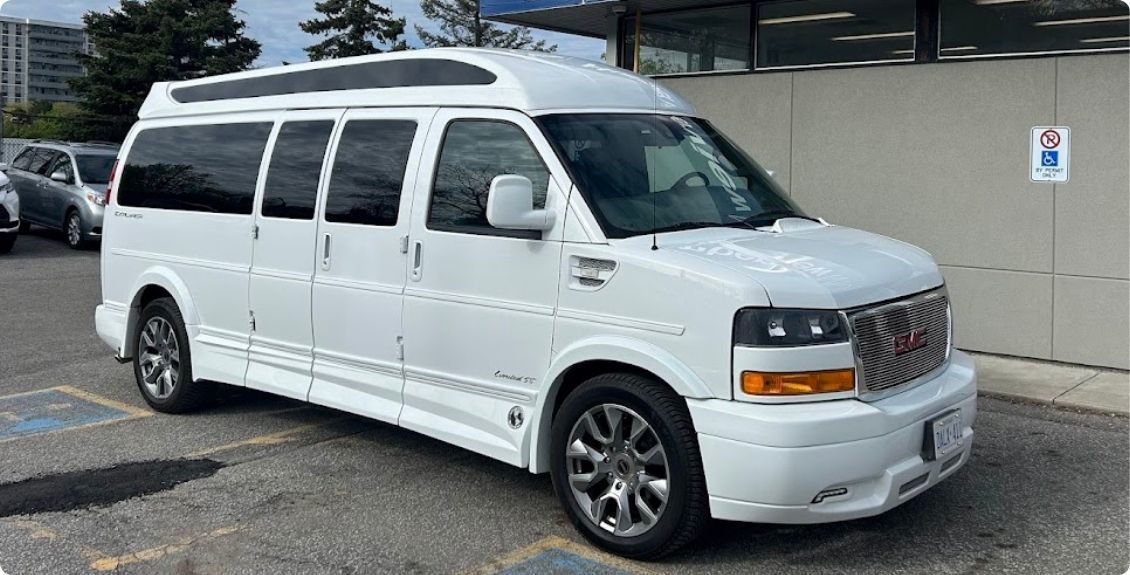
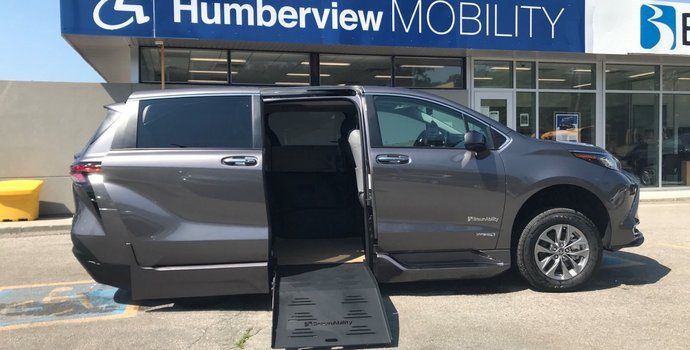
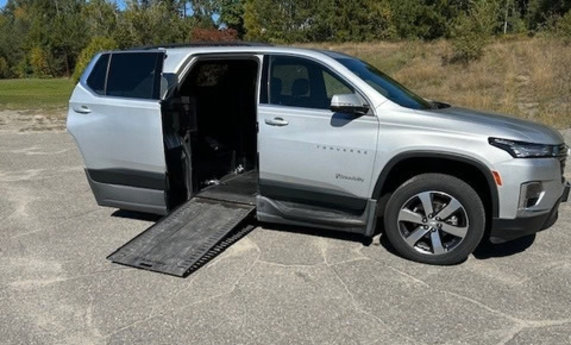
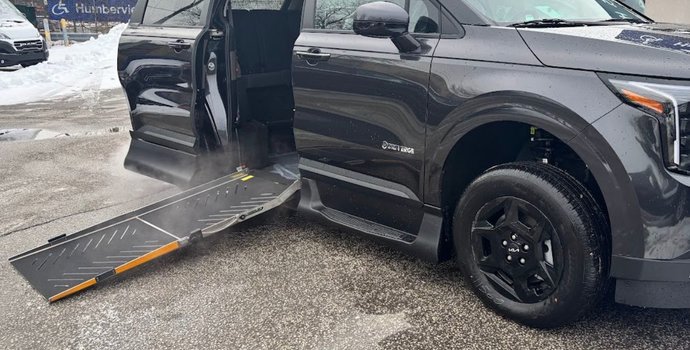
Plenty of people start with the same question: "Can I just convert the car I already have?" It's a smart starting point, but it skips a few important steps. Wheelchair accessibility isn't a single product you bolt onto a vehicle. It's a match between the person, the mobility device they use, and the vehicle itself.
Talk to Our Mobility Specialist
Have Questions? Connect with Our Mobility Specialist Today for Personalized Assistance and Expert Guidance!
Contact Us
The right way to answer the question is with a framework. Before deciding whether your current vehicle can be modified, you need to look at who will use it, what it needs to do, whether the vehicle's body can handle the work, and whether the result meets Canadian safety standards. This guide walks through that decision process step by step.
Start With the Person, Not the Vehicle
Every accessibility decision begins with a mobility needs assessment. That usually involves a qualified mobility dealer and, depending on the situation, an occupational therapist or a Certified Driver Rehabilitation Specialist.
A few questions drive the assessment. Will the person be the driver or a passenger? What type of wheelchair or mobility device do they use, and what are its dimensions? Can they transfer from their chair into a standard seat, or do they need to stay seated in the chair? And what does daily use look like: short city trips, longer commutes, frequent loading and unloading?
The answers shape everything that follows. Someone who transfers easily and uses a folding chair has different options than someone who rides in a power chair full-time. Skipping this step almost always leads to a vehicle or modification that doesn't fit real life.
Check Whether the Vehicle Fits
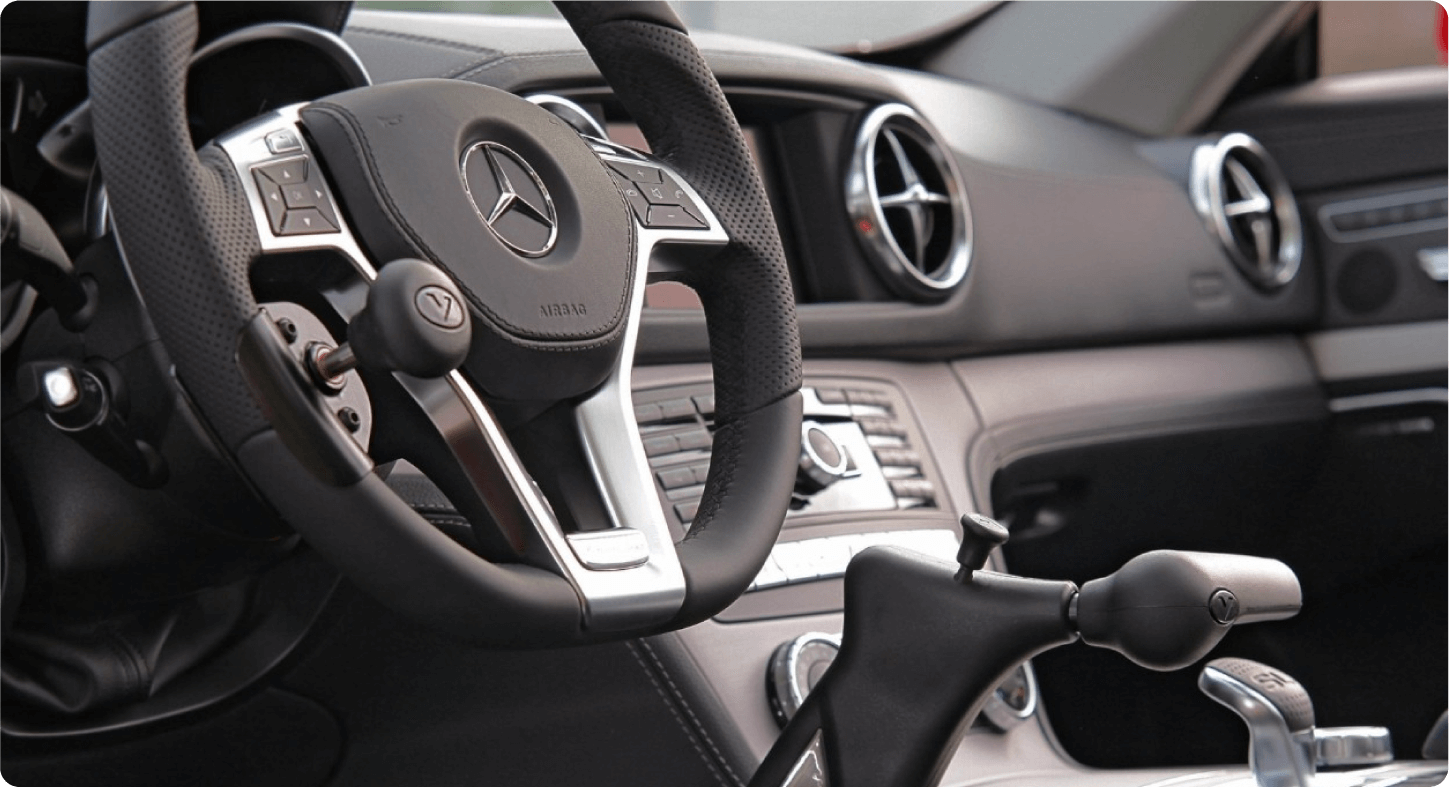
Once you know what the person needs, the next question is whether your current vehicle can deliver it. Not every car, truck, or SUV can be converted, and size is usually the deciding factor.
Four physical traits matter most:
- Interior space and headroom for a seated wheelchair user
- Door opening width for a ramp and chair to pass through cleanly
- Floor structure that allows safe lowering, where required
- Weight capacity to handle the added load of a ramp, lift, chair, and passenger
Most full conversions happen on minivans because they meet all four conditions. Sedans, coupes, sports cars, and many small crossovers usually fall short on at least one. That doesn't mean those vehicles are useless for mobility purposes, but it does mean a full ramp-and-tie-down conversion is rarely the right path.
Match the Modification to the Need
There's a wide range of accessibility modifications, and the right one depends on the assessment above. Here's how the main options compare.
|
Modification
|
Vehicle Type Suited
|
Who It Helps
|
|
Hand controls and adapted driving aids
|
Most vehicles with sufficient space
|
Drivers who transfer into the driver's seat
|
|
Transfer seat or swivel seat
|
Sedans, SUVs, vans
|
Users who can transfer but need help getting in and out
|
|
Wheelchair or scooter lift
|
SUVs, minivans, full-size vans
|
Riders who use a regular seat but need their device loaded
|
|
Side-entry ramp with lowered floor
|
Minivans such as the Chrysler Grand Caravan and Toyota Sienna
|
Users who travel seated in their wheelchair
|
|
Rear-entry ramp with lowered floor
|
Minivans
|
Users who travel seated, with rear loading preferences
|
|
Powered lift system
|
Full-size vans
|
Power chair users or those with larger mobility devices
|
The right combination depends on the daily routine, the chair's size, and the person's transfer ability. A dealer that does this work professionally can map an assessment to the right setup.
Safety and Compliance Come First
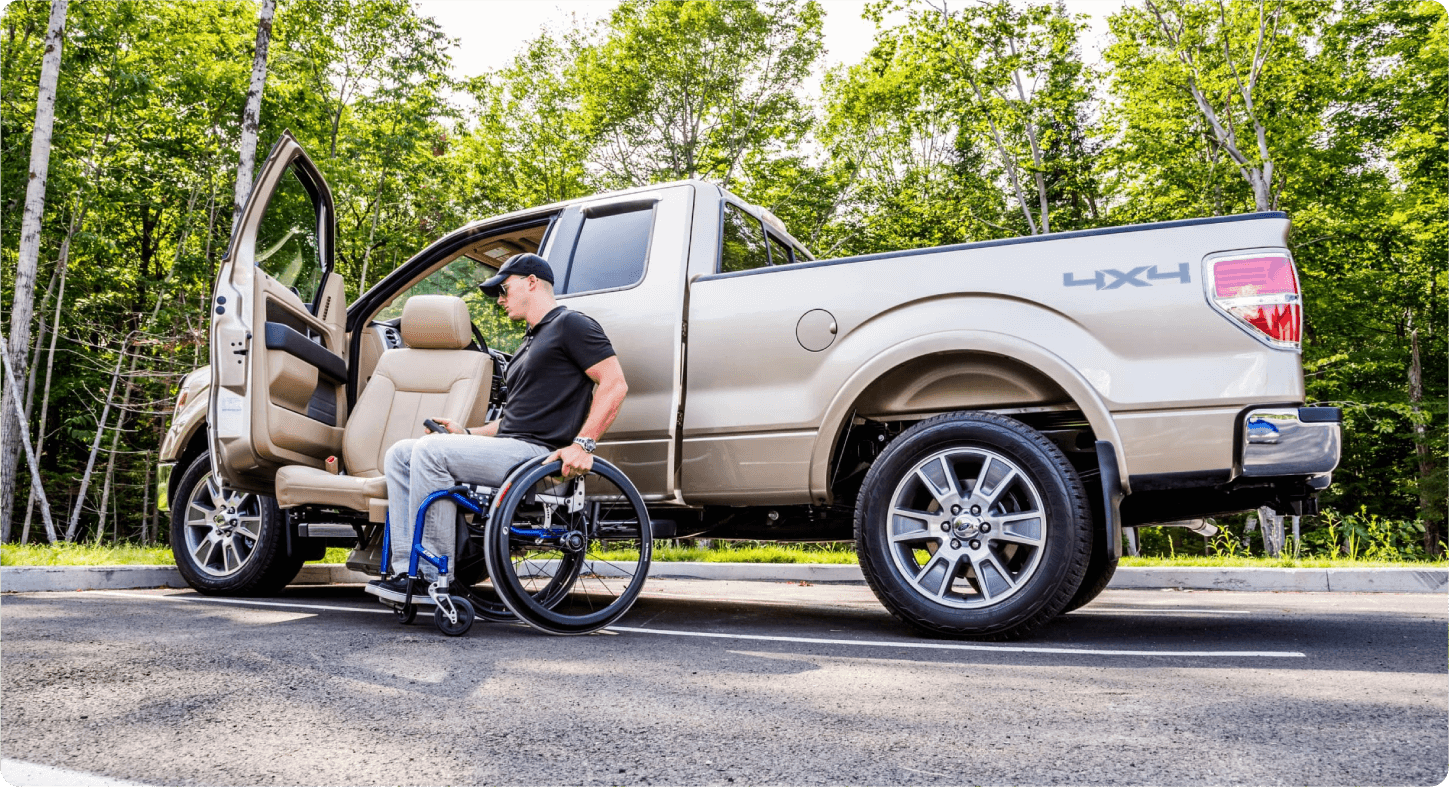
Any modification has to meet Canadian safety standards. Two reference points matter most.
CSA D409 is the Canadian standard covering motor vehicles for the transportation of persons with physical disabilities, including securement systems, ramps, lifts, and related equipment. Transport Canada's Motor Vehicle Safety Standards (CMVSS) set the broader rules every vehicle on Canadian roads must meet, and any modification has to keep the vehicle compliant.
In practical terms, this means two things. First, structural changes such as lowering a floor must be done by qualified converters who understand how to maintain the vehicle's integrity. Second, securement systems, tie-downs, and lift installations have to follow standards that protect both the chair and the passenger in a crash. Unapproved or improvised work isn't a corner to cut here.
Funding programs can add another layer. Depending on the funding source, some modifications require occupational therapist documentation and pre-authorization before work begins.
Convert or Replace? How to Decide
After the assessment, the vehicle check, the modification match, and the compliance review, you'll usually land in one of two places. Either your current vehicle works as a conversion candidate, or it doesn't, and a purpose-built accessible vehicle is the better answer.
A few signs point toward replacing rather than converting:
- The current vehicle is too small for safe seated travel in a wheelchair.
- The roof, doors, or floor structure won't accept the needed conversion.
- The cost of conversion approaches or exceeds the cost of a used accessible van that already meets standards.
- The vehicle's age or condition makes a long-term investment in modifications hard to justify.
Going the other way, vehicles that already have the right size, structure, and weight capacity, most often modern minivans, make strong conversion candidates.
Get a Clear Answer at Humberview Mobility
If you're trying to decide whether to convert or replace, the fastest way forward is a one-on-one consultation. Visit Humberview Mobility in Toronto to walk through a full needs assessment, see ramp and lift options in person, and get a clear read on whether your current vehicle is a fit or whether a purpose-built van is the smarter route. Our mobility consultants and certified technicians can help you make a confident, informed choice.
You might also be interested in these blogs:
How to Register a Wheelchair Accessible Vehicle in Ontario: A Complete Guide
Tips When Buying a Pre-Owned Converted Vehicle in Ontario
The Different Kinds of Wheelchair Lifts You Can Install on Your Vehicle