Selecting the right accessible vehicle for your commercial fleet, care facility, or transport service requires more than browsing brochures. Fleet managers and service coordinators across Ontario face a complex decision matrix: Which base vehicle offers the best balance of capacity and manoeuvrability? Does your operation need side-entry or rear-lift access? What regulatory standards apply to commercial wheelchair vans in this province?
This guide walks you through the essential criteria for planning your 2026 accessible vehicle acquisitions, from understanding CSA D409 compliance and Ontario Regulation 629 to choosing the right chassis, conversion partner, and funding approach. For operators of paratransit services, long-term care shuttles, or accessible taxi fleets, the insights here will help you make informed decisions that support both operational efficiency and passenger safety.
Talk to Our Mobility Specialist
Have Questions? Connect with Our Mobility Specialist Today for Personalized Assistance and Expert Guidance!
Contact Us
Understanding the Commercial Accessible Vehicle Landscape
Base Vehicle Options for Commercial Use
Commercial accessible vehicles in Ontario typically start with one of two platforms:
Lowered-Floor Minivans
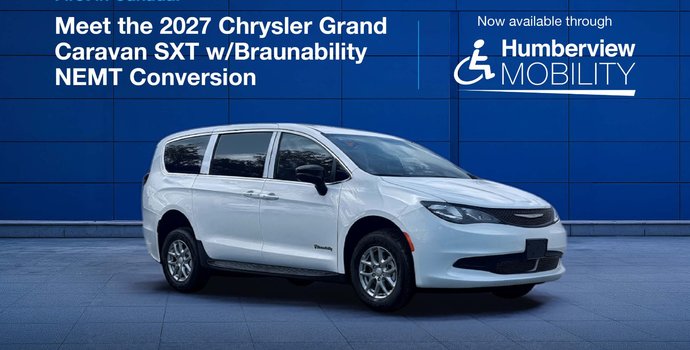
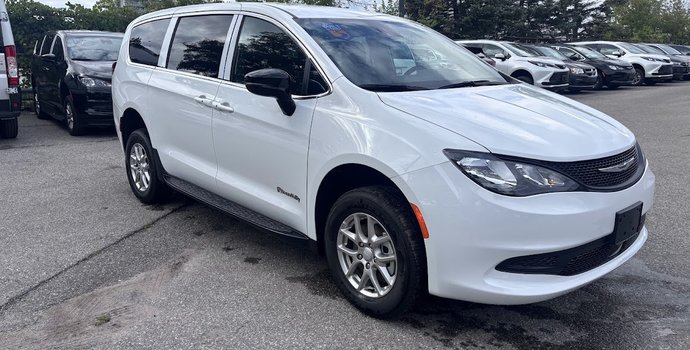
The 2026 Chrysler Grand Caravan and Chrysler Pacifica, along with the Toyota Sienna, serve as popular bases for small-fleet conversions. These vehicles offer familiar handling, strong fuel economy, and proven reliability. Conversion specialists like BraunAbility, VMI, Savaria, and Driverge engineer side-entry or rear-entry ramp systems with lowered floors, automatic kneeling suspension, and removable seating to accommodate one or two wheelchair positions plus ambulatory passengers.
The 2026 Chrysler Grand Caravan is powered by a 3.6 L V6 engine producing 287 hp and 262 lb-ft of torque, paired with a 9-speed automatic transmission. The 2026 Toyota Sienna uses a 2.5 L 4-cylinder hybrid electric powertrain generating 245 system horsepower, available in front-wheel drive or all-wheel drive configurations. Both platforms provide ample interior volume—the Grand Caravan offers up to 2,478 L of cargo space behind the second row, while the Sienna Mobility models come preconfigured for BraunAbility or VMI conversions with features like power sliding doors, heated front seats, and advanced multimedia systems.
Full-Size Commercial Vans
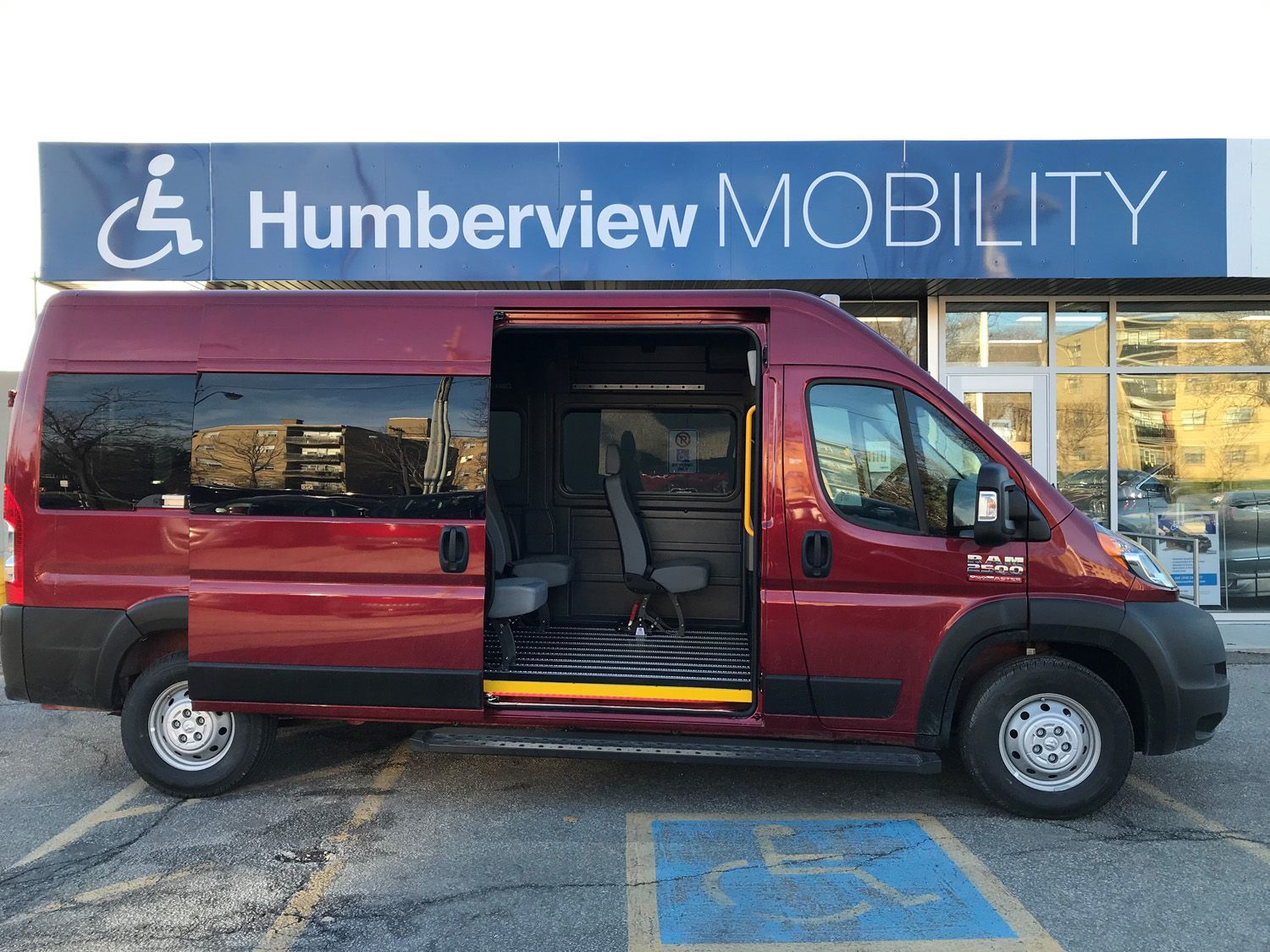
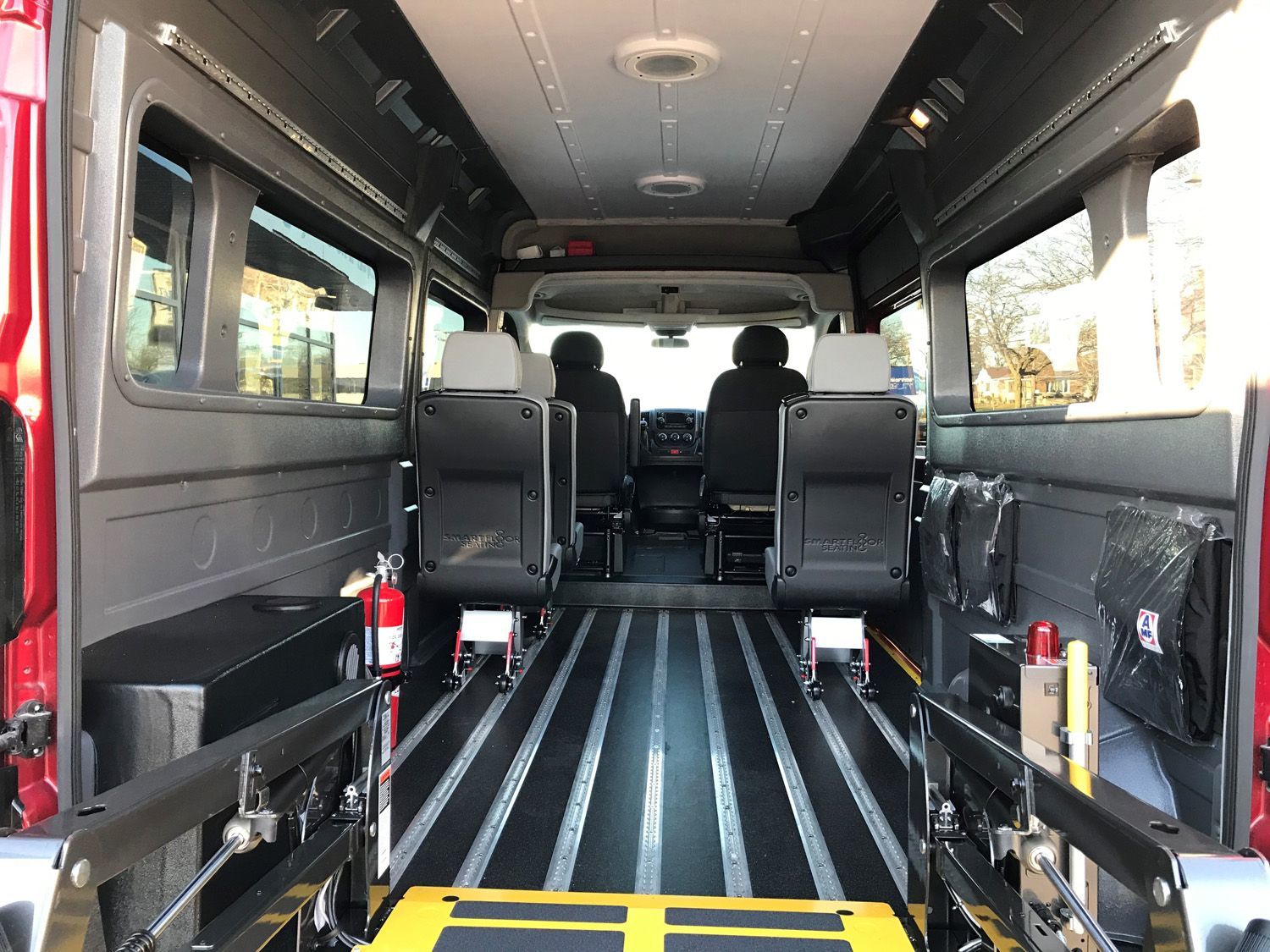
For agencies requiring multiple wheelchair positions or higher passenger counts, full-size vans like the Ram ProMaster and Ford Transit offer greater flexibility. These platforms can be outfitted with high roofs, raised doors, rear lifts, or side-entry ramps to create spacious interiors capable of transporting several wheelchair users and ambulatory passengers simultaneously. Ontario conversion specialists such as Universal Motion and Creative Carriage build D409-compliant configurations on these chassis, tailoring layouts to specific service models—from multi-chair paratransit routes to long-distance medical transport.
The Ram ProMaster is available in multiple roof heights and wheelbase lengths, providing cargo volumes that exceed those of traditional minivans. The platform is known for its front-wheel-drive layout, low load floor, and wide rear door openings—all advantages for accessible conversions.
Entry Types: Side-Entry vs. Rear-Lift Configurations
Side-Entry Ramps
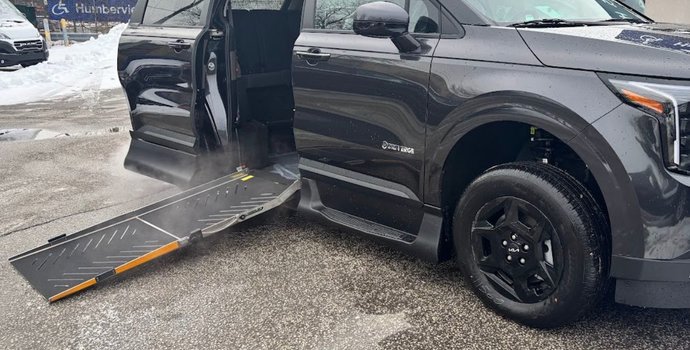
Side-entry conversions position the ramp along the vehicle's sliding door, allowing wheelchair users to board from the kerb side. This configuration works well in urban taxi and shuttle applications requiring curbside pickup. Side-entry systems typically feature automatic kneeling suspension to reduce ramp angle and make boarding easier. However, side-entry vans require adequate clearance alongside the vehicle, which can be challenging in tight parking lots or narrow streets.
Rear-Lift Systems
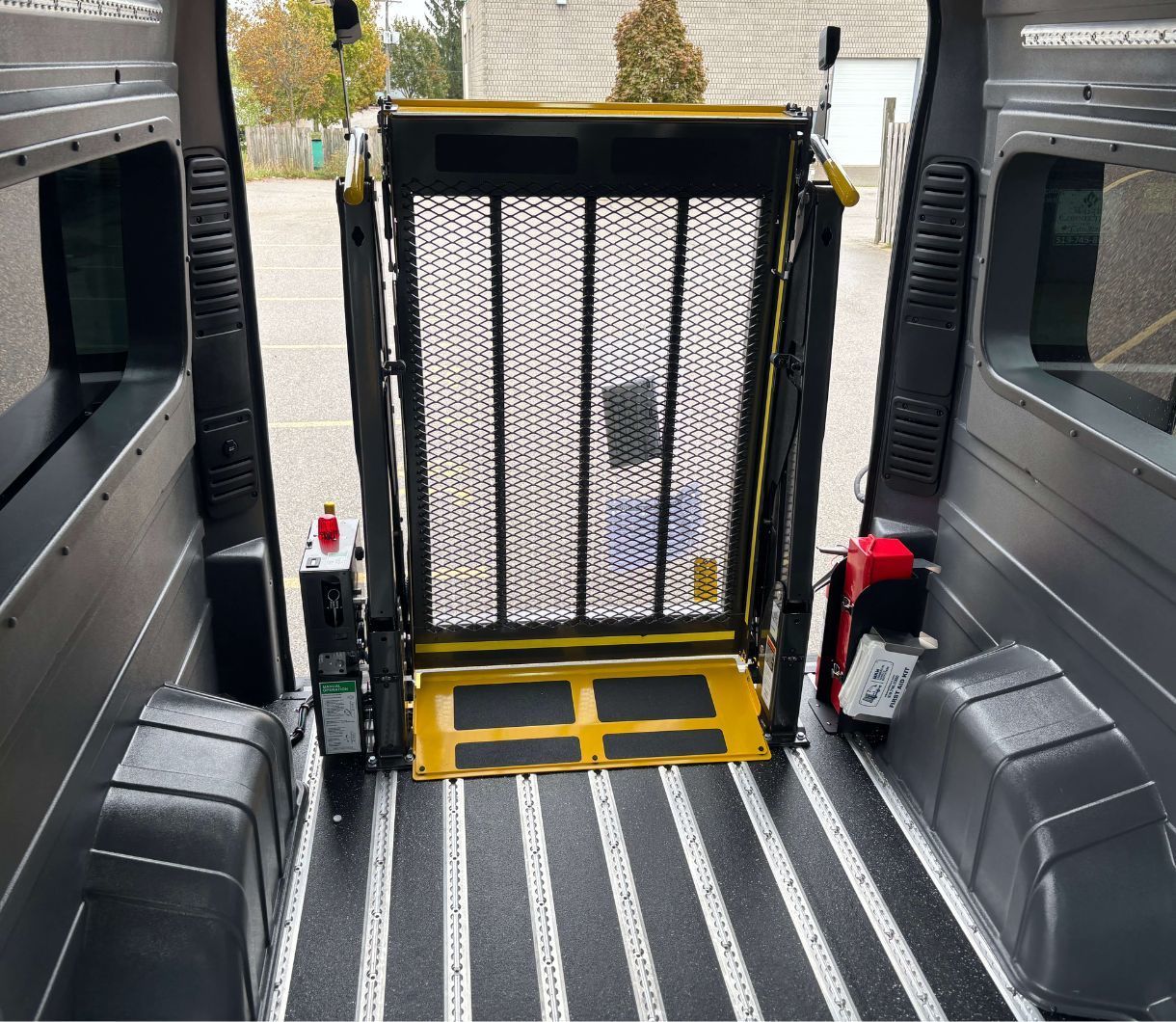
Rear-entry conversions use a powered lift or ramp at the back of the vehicle. This layout is common in agency vans serving multiple wheelchair users, as it allows for efficient loading sequences and often provides more interior space for manoeuvring. Rear-entry systems work well in controlled environments like care facility parking areas but may be less convenient for on-demand taxi services requiring quick curbside boarding.
Your choice between side-entry and rear-lift depends on your service model, typical pickup locations, and the number of wheelchair positions required per trip.
Ontario Regulations and Safety Standards
CSA/ASC D409: The Canadian Design Standard
In Canada, commercial wheelchair vans are expected to comply with CSA/ASC D409 "Motor vehicles for the transportation of persons with physical disabilities." This standard establishes design requirements for accessible vehicles, including:
- Minimum door width and clear opening dimensions
- Maximum ramp slope and required edge protection
- Lowered floor height specifications
- Wheelchair securement anchor locations and load ratings
- Occupant restraint system requirements
D409 compliance ensures that converted vehicles provide safe, accessible transportation for passengers using wheelchairs or mobility devices. Reputable conversion specialists in Ontario design their builds to meet or exceed D409 requirements, and buyers should verify compliance documentation before finalizing any purchase.
National Safety Mark (NSM) for Inter-Provincial Operation
If your fleet operates across provincial borders, ensure your vehicles carry a National Safety Mark (NSM) from Transport Canada. The NSM indicates that the conversion meets federal design and construction standards for modified vehicles. This certification is essential for fleets serving clients in multiple provinces or transporting passengers on interprovincial routes.
Licensing, Capacity, and Use-Case Planning
Driver Licensing Requirements
Ontario's graduated licensing system affects which drivers can operate your accessible fleet:
- Class G Licence: Covers vehicles with up to 11 occupants (including the driver). Most lowered-floor minivans fall under this class, making it easier to hire drivers without specialized licensing.
- Class F Licence: Required for vehicles carrying 10–24 passengers. Larger accessible vans configured for multiple wheelchair positions and ambulatory seating may require Class F, which increases hiring costs and limits your driver pool.
When planning your fleet, consider whether the added capacity of a larger van justifies the Class F requirement, or if multiple smaller vehicles with Class G eligibility better suits your operational needs.
Determining Capacity Needs
Your ideal vehicle configuration depends on your service model and typical passenger mix:
On-Demand Taxi Services
Accessible taxis typically serve one wheelchair user plus a small number of ambulatory passengers. A side-entry minivan conversion with one wheelchair position and three to four ambulatory seats provides the flexibility needed for varied trip types. Quick boarding and familiar vehicle handling are priorities.
Scheduled Paratransit and Agency Shuttles
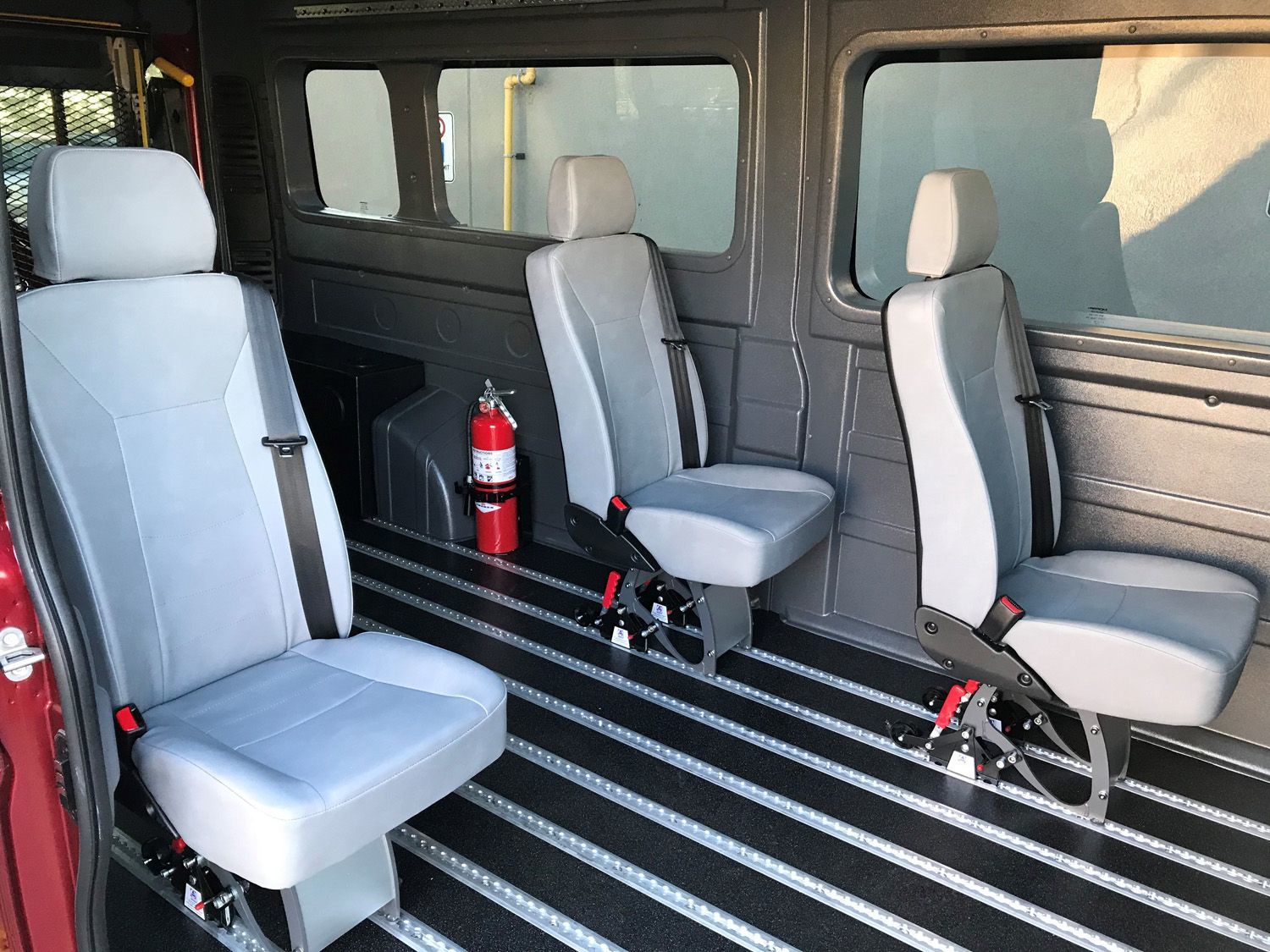
Community agencies and care facilities often run scheduled routes with predictable passenger counts. A rear-entry full-size van with two to three wheelchair positions and additional ambulatory seating maximizes efficiency on multi-stop routes. These vans can be configured with forward-facing wheelchair positions, tip-and-fold seating, and ample luggage space for medical equipment or personal belongings.
Long-Term Care and Medical Transport
Facilities transporting residents to medical appointments or social activities may prioritize comfort and accessibility features over high passenger counts. Rear-entry conversions with spacious interiors, climate control, and smooth suspension systems enhance the experience for passengers with complex mobility needs.
Example Layouts
- Compact Taxi Van: One driver, one wheelchair position, three ambulatory seats (side-entry)
- Mid-Size Agency Van: One driver, two wheelchair positions, four ambulatory seats (rear-entry)
- Large Shuttle Van: One driver, three wheelchair positions, six ambulatory seats (rear-entry, high roof)
Safety, Securement, and Accessibility Features
Wheelchair Securement Systems
Ontario-compliant commercial vans must include wheelchair securement systems that prevent motion in all directions during normal driving, braking, and cornering. These systems typically consist of:
- Four-Point Tie-Downs: Straps or tracks that anchor the wheelchair frame to the vehicle floor
- Occupant Restraints: Pelvic belts (required) and torso belts (recommended) that secure the passenger independently of the wheelchair
- Anchor Points: Floor-mounted or track-based anchors rated to withstand crash forces
Proper securement is critical for passenger safety. Train your drivers and attendants in correct tie-down procedures, and schedule regular inspections to ensure hardware remains in good condition.
Ramp and Lift Requirements
Accessible entry systems must meet strict safety standards:
- Slip-Resistant Surfaces: Ramps and lift platforms must provide secure footing in wet or icy conditions
- Raised Edges and Contrast Strips: Visual and physical barriers prevent wheelchairs from rolling off the edge
- Mechanical Security: Ramps and lifts must lock in place and cannot rely solely on the door mechanism when the vehicle is moving
- Load Capacity: Ontario requires lifts to support at least 275 kg
Regular maintenance of ramps and lifts is essential. Hydraulic systems, electrical components, and mechanical locks should be inspected according to manufacturer schedules and Ontario safety guidelines.
Key Takeaways for Buying a Commercial Accessible Vehicle in Ontario
|
Decision Factor
|
Considerations
|
|
Base Vehicle
|
Minivans (Chrysler Grand Caravan, Pacifica, Toyota Sienna) for small fleets; full-size vans (Ram ProMaster, Ford Transit) for multi-chair agency use
|
|
Entry Type
|
Side-entry for taxi/curbside pickup; rear-entry for agency shuttles and controlled environments
|
|
Compliance
|
Verify CSA D409, Ontario Reg. 629, and NSM certification for all commercial accessible vehicles
|
|
Licensing
|
Class G for vans up to 11 occupants; Class F for larger multi-passenger configurations
|
|
Securement
|
Four-point tie-downs, occupant restraints, and regular inspections are mandatory
|
Planning Your 2026 Fleet with Confidence
Acquiring commercial accessible vehicles for your Ontario operation requires careful planning, regulatory knowledge, and a clear understanding of your service needs. By choosing the right base vehicle, entry configuration, and conversion partner, you can build a fleet that delivers safe, compliant, and efficient transportation for passengers with mobility challenges.
Evaluate your capacity requirements, driver licensing constraints, and typical pickup environments before finalizing your specifications. Work with experienced conversion specialists who understand Ontario regulations and can provide ongoing support for maintenance and training. And remember: the right accessible vehicle is not just a compliance checkbox—it's a tool that enables your organization to serve your community with dignity and reliability.
For expert guidance on selecting and outfitting your 2026 commercial accessible vehicles, connect with our team at Humberview Mobility in Toronto. We specialize in helping fleet managers, care facilities, and transport services navigate the accessible vehicle landscape, from regulatory compliance to conversion options and financing solutions. Contact us today to discuss your fleet planning needs and discover how we can support your mission to provide safe, accessible transportation across Ontario.
You might also be interested in these blogs:
The Most Popular Vehicle Conversions in Ontario
5 Mobility Conversions Specific to Pickups Explained in Detail
Every Pickup Truck Mobility Conversion Available in Ontario