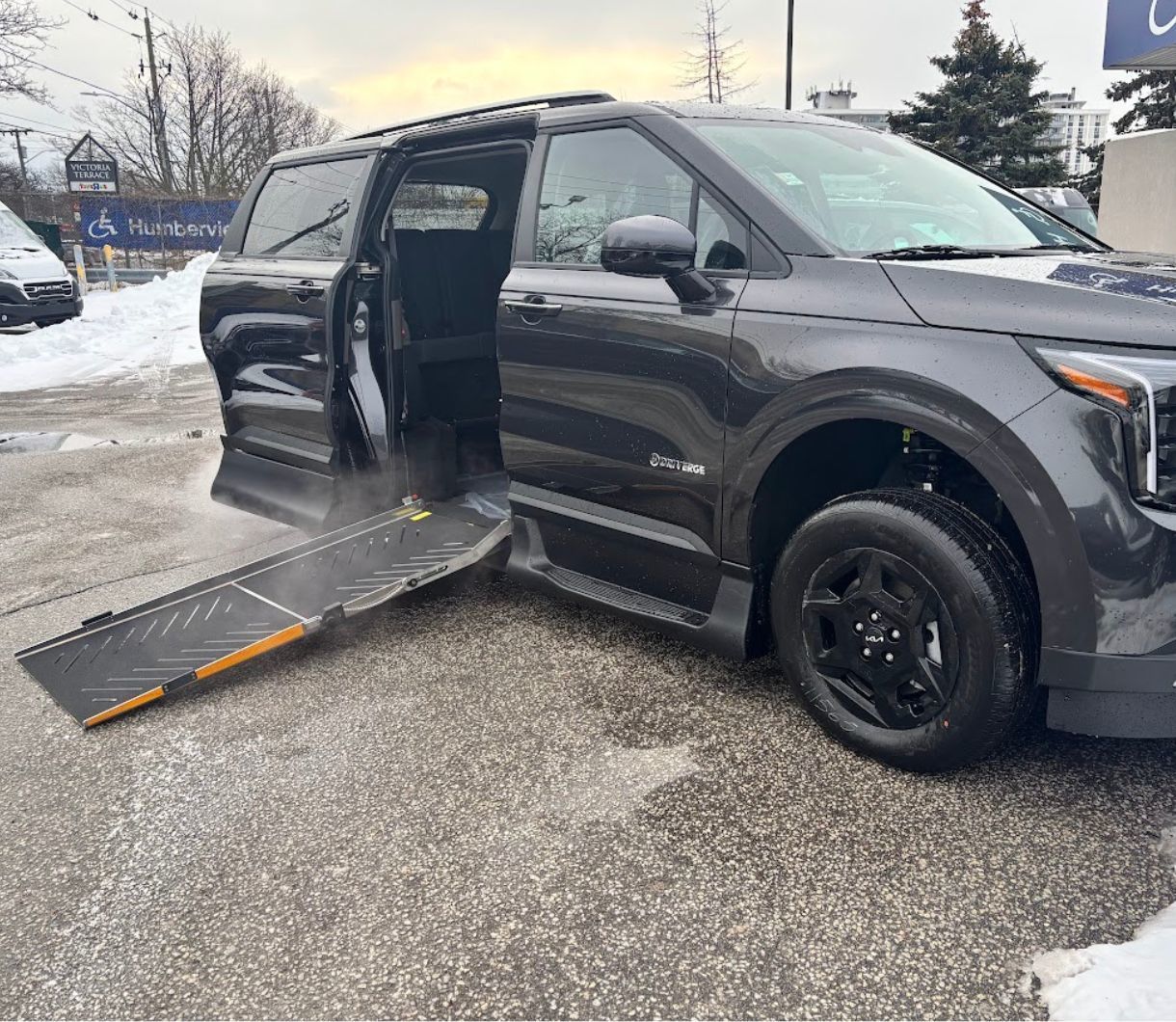
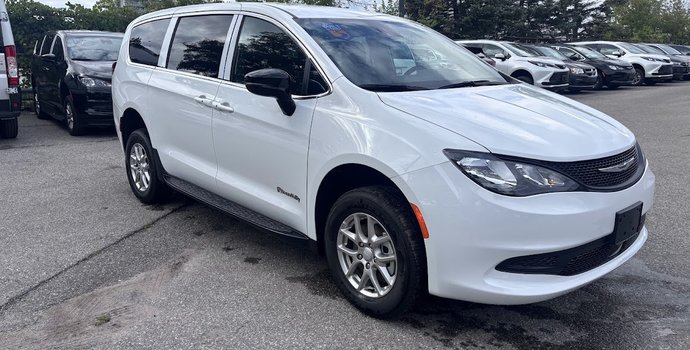
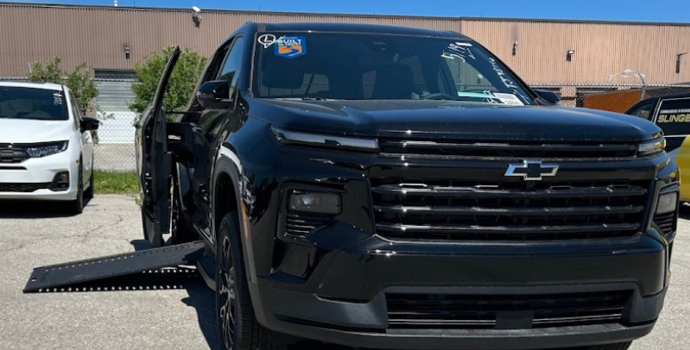
Driving a wheelchair-accessible or mobility vehicle during Ontario winters requires specialized preparation beyond standard winter driving practices. While mobility conversions provide essential accessibility, they also introduce unique considerations for cold-weather operation. This guide covers proven Canadian winter-driving techniques and conversion-specific advice to help you navigate Ontario's challenging winter conditions safely.
Talk to Our Mobility Specialist
Have Questions? Connect with Our Mobility Specialist Today for Personalized Assistance and Expert Guidance!
Contact Us
Understanding Your Mobility Vehicle's Winter Needs
Mobility vehicles differ from standard vehicles in ways that affect winter performance. Wheelchair ramps, lifts, and lowered floors create additional entry points where cold air, moisture, and road salt can penetrate. Power-operated equipment contains motors, hydraulics, and electrical components that require protection from freezing temperatures and corrosion.
The added weight of conversion equipment affects handling characteristics. Heavier vehicles require longer stopping distances on ice and snow, while modified suspension systems may respond differently to slippery surfaces than factory configurations. Understanding these differences helps you adjust your driving style appropriately.
Pre-Winter Vehicle Preparation
Conversion Equipment and Battery Systems
Before winter arrives, thoroughly inspect all mobility equipment. Check wheelchair ramps and lifts for smooth operation - cold weather can stiffen hydraulic fluid and slow mechanical movement. Apply lithium-based grease to pivot points, hinges, and moving parts to prevent freezing. Examine weather stripping around doors and ramp openings. Replace compromised seals to maintain proper cabin insulation and protect sensitive systems.
Mobility vehicles often carry auxiliary batteries to power lifts, ramps, and accessibility features. Cold weather reduces battery capacity - a fully charged battery at room temperature may lose 30-40% of its power at -18°C. Have both primary and auxiliary batteries tested by a qualified technician. Clean terminals and connections, as corrosion accelerates in winter conditions when road salt is prevalent.
Tire Selection and Fluid Checks
Winter tires are essential for Ontario driving. Select tires with the mountain/snowflake symbol, indicating they pass specific snow-traction performance requirements. Install winter tires on all wheels - mixing tire types compromises stability and handling, particularly dangerous on mobility vehicles with altered weight distribution.
Check tire pressure weekly during winter. Cold air causes pressure to drop approximately 1 psi for every 5°C temperature decrease. Underinflated tires reduce traction, increase stopping distances, and accelerate uneven wear. Maintain pressures at manufacturer-recommended levels, typically found on the driver's door jamb label.
Verify that engine coolant provides adequate freeze protection. Use windshield washer fluid rated for temperatures below Ontario's winter lows. A solution rated to -40°C prevents freeze-up and maintains visibility during winter storms. Replace cabin air filters before winter to ensure efficient climate control operation and prevent fogging.
Cold-Weather Driving Techniques
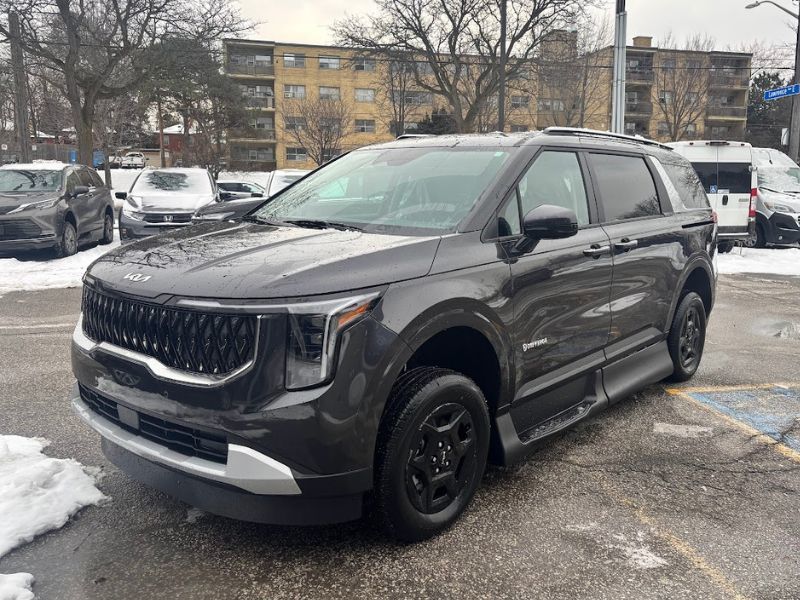
Starting and Warming Up
Modern vehicles require minimal warm-up time, but mobility equipment may need additional preparation. If your vehicle includes a block heater, use it when temperatures drop below -10°C. Before driving, clear all snow and ice from the vehicle exterior, including lights, mirrors, windows, roof, and around tires. Remove snow from around wheelchair ramps and lifts to prevent jamming and ensure safe operation.
Clear the air intake vents in front of the windshield. Snow blocking these vents reduces climate control fan performance, leading to window fogging and reduced visibility. In winter months, verify intakes remain clear of ice, slush, and snow.
Acceleration and Braking
Apply the accelerator slowly and steadily when starting from a stop. Sudden power application causes wheels to spin, reducing traction and control. This principle applies equally to all-wheel drive and front-wheel drive vehicles - while AWD provides better acceleration on slippery surfaces, it does not improve braking performance.
Avoid sudden braking. Modern vehicles feature anti-lock braking systems that maintain steering control during emergency stops - apply steady, firm pressure rather than pumping the pedal. Allow longer stopping distances on snow and ice. A mobility vehicle's increased weight requires additional space to stop safely.
If your vehicle begins to slide, steer in the direction of the slide until you regain control. Avoid abrupt steering inputs or quick changes in direction, which can cause loss of traction even in AWD vehicles.
Mobility Equipment Winter Operation
Ramp and Lift Protection
Wheelchair ramps and lifts face unique winter challenges. Salt, sand, and de-icing chemicals accelerate corrosion on exposed metal surfaces and electrical connections. After driving in winter conditions, clean equipment thoroughly with water, paying attention to pivot points, tracks, and hydraulic components.
Apply corrosion-resistant lubricants to moving parts regularly throughout winter. Products designed for marine or outdoor use provide better protection than standard automotive lubricants in harsh winter conditions. Avoid petroleum-based products on rubber seals and weatherstripping, as these can cause deterioration.
If a ramp or lift becomes frozen, do not attempt to force operation. Pour warm (not hot) water over frozen areas to melt ice, then wipe away moisture immediately to prevent refreezing. Never use open flames or excessive heat, which can damage components.
Interior Climate Management
Mobility vehicles often have larger door openings and more frequent door operation, allowing cold air to enter rapidly. Preheat the cabin before loading or unloading passengers to maintain comfort and prevent equipment from becoming cold-soaked. Adjust climate control settings to maintain consistent warmth throughout the cabin, particularly in rear seating areas where mobility passengers may be located.
Keep floor areas dry by removing snow and mud from shoes before entering. Wet floors can freeze overnight, creating slippery conditions and potentially damaging floor-mounted tie-downs or wheelchair restraints.
Emergency Preparedness and Parking
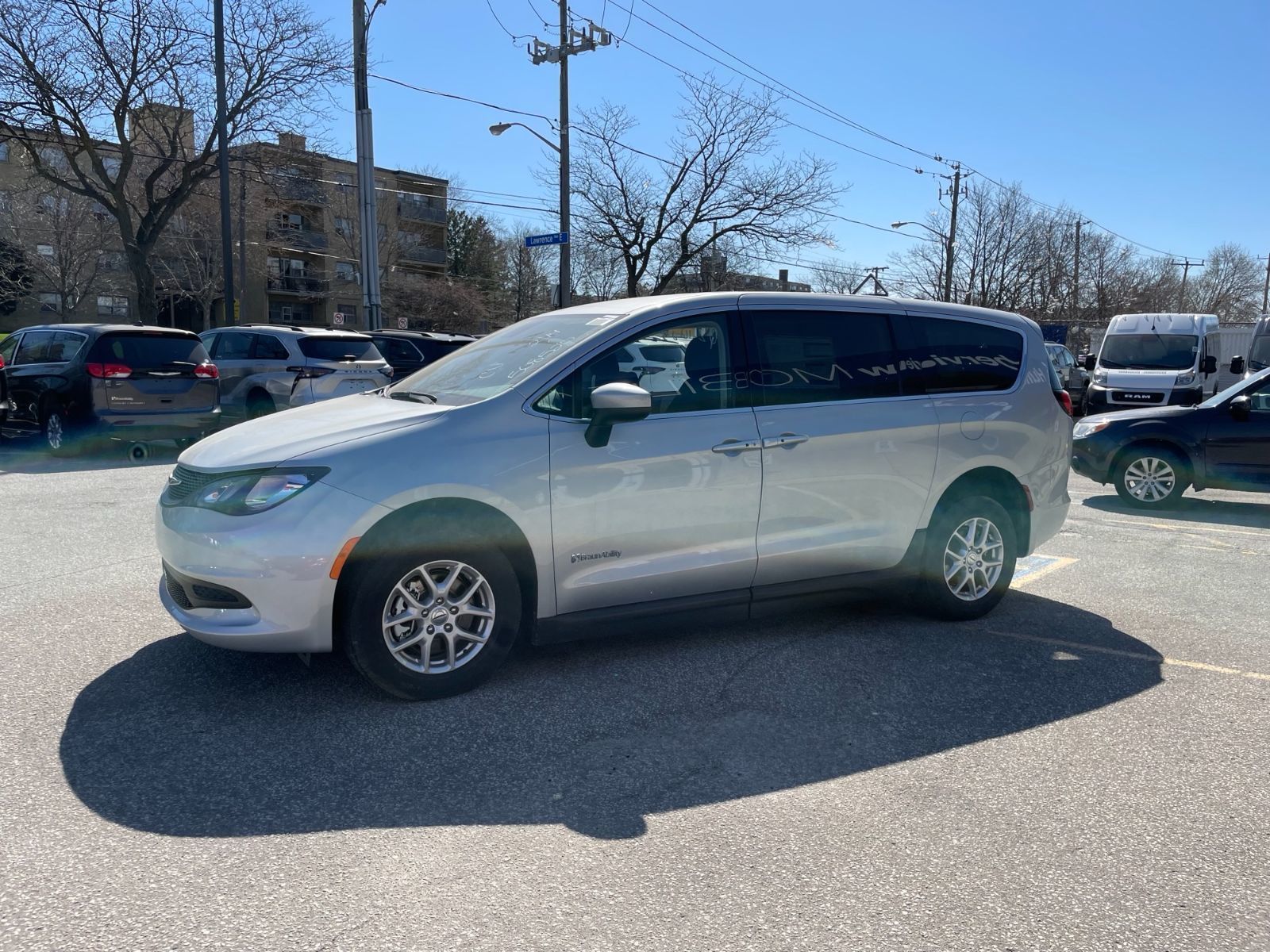
Winter Emergency Kit
Assemble a winter emergency kit specific to mobility vehicle needs:
- Blankets and extra warm clothing
- Flashlight with extra batteries
- First aid supplies
- Non-perishable snacks and water
- Booster cables
- Ice scraper and snow brush
- Small shovel
- Sand or kitty litter for traction
- Reflective warning triangles
- Fully charged mobile phone
Store emergency supplies in an accessible location that does not interfere with mobility equipment operation. Ensure wheelchair users can reach critical items independently if possible.
Cold-Weather Parking
When parking in winter conditions, avoid setting the parking brake if possible. Wet brake components can freeze, preventing release. Instead, place the transmission in Park and block wheels if necessary. If your vehicle has an automatic parking brake, turn automatic mode off in freezing conditions. Park on level ground when possible - mobility vehicles' modified suspension and weight distribution can make them more susceptible to sliding on inclined surfaces when parked.
Regular Maintenance During Winter
Perform these checks weekly throughout winter: tire pressure and condition, windshield washer fluid level, battery terminals for corrosion, operation of all lights, mobility equipment function, and weather stripping condition.
Each month, inspect brake pad wear and operation, suspension components, fluid levels (coolant, oil, washer fluid), wiper blade condition, mobility equipment lubrication points, and exhaust system for damage or leaks. Address any issues immediately - winter conditions accelerate wear and can turn minor problems into safety hazards quickly.
Learn More at Humberview Mobility
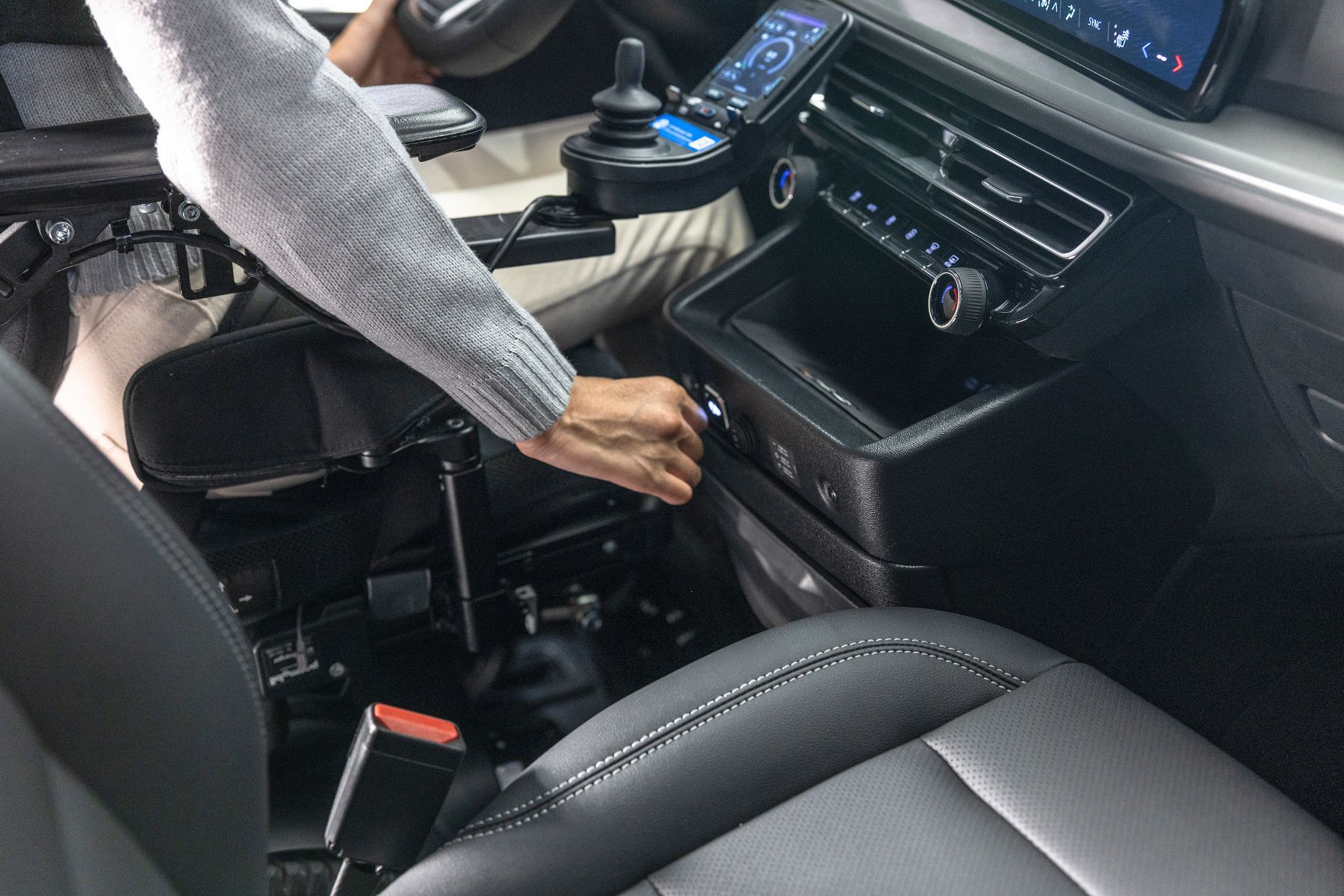
Winter driving in a mobility vehicle requires additional preparation and awareness, but following these guidelines helps ensure safe, reliable operation throughout Ontario's challenging winter months. Regular maintenance, proper equipment preparation, and adjusted driving techniques provide confident winter mobility.
Visit our team at Humberview Mobility to discuss winter preparation specific to your vehicle's conversion. Our specialists understand the unique requirements of mobility equipment and can recommend maintenance schedules, protective treatments, and accessories to enhance winter safety and reliability.