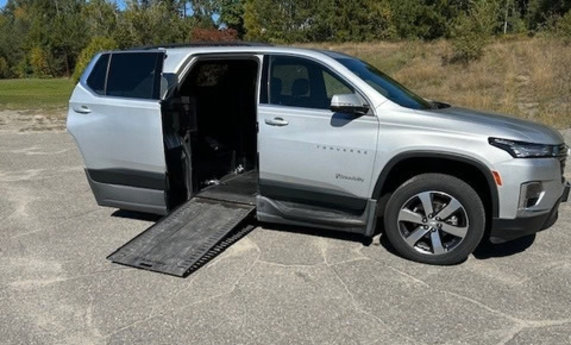
2022 Chevrolet Traverse 3LT

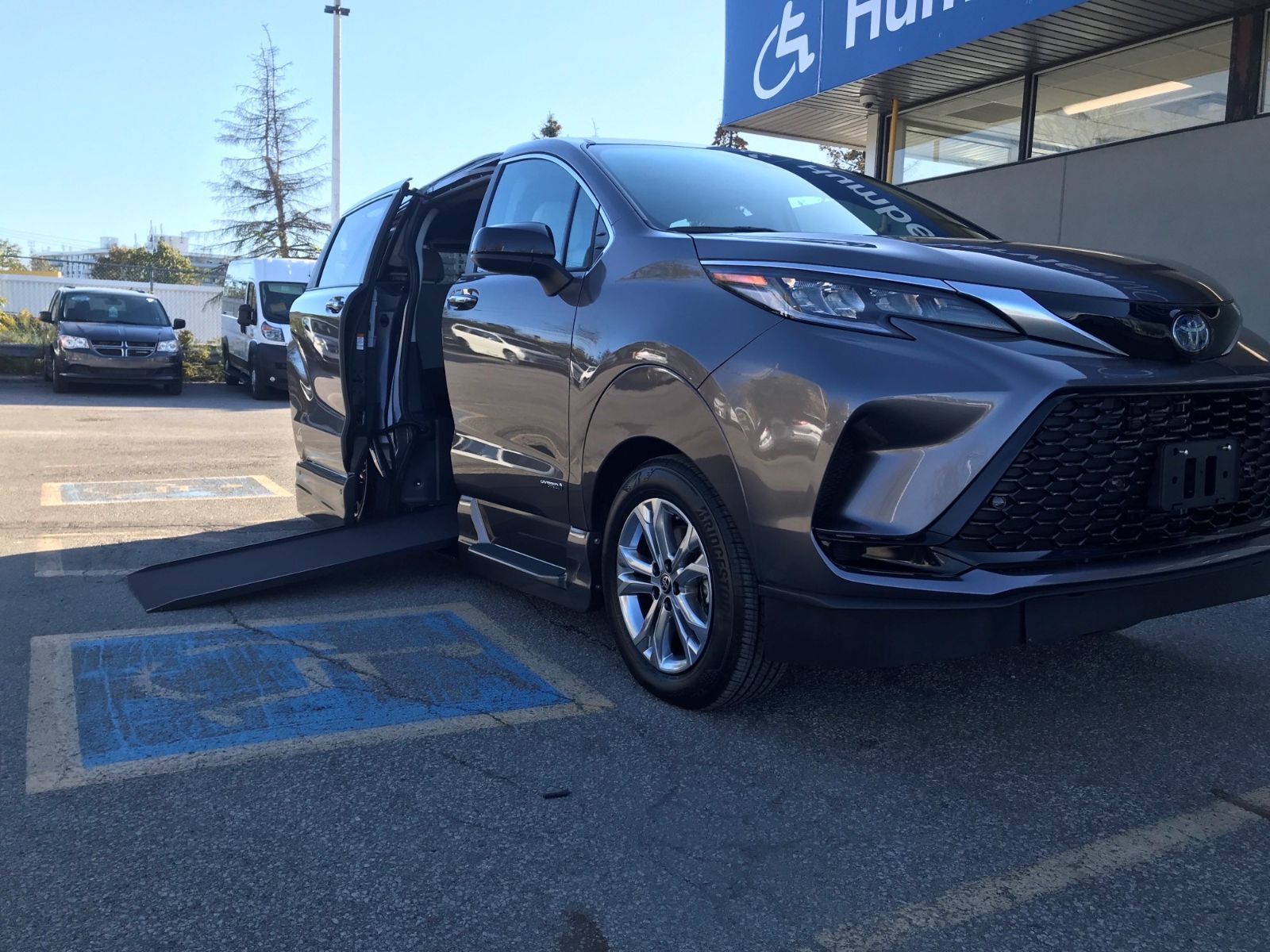
Choosing your first wheelchair-accessible vehicle can feel overwhelming. Between entry configurations, safety regulations, and funding programs, the decisions pile up quickly. But here's the reality: thousands of Canadians navigate this process every year and find vehicles that genuinely transform their independence. The key is breaking down the selection into manageable steps that match your specific mobility requirements.
Have Questions? Connect with Our Mobility Specialist Today for Personalized Assistance and Expert Guidance!
Contact UsThis guide walks you through ten practical considerations for purchasing a wheelchair-accessible vehicle in Ontario. Whether you're a full-time wheelchair user seeking driver independence or a caregiver coordinating family transportation, these tips will help you identify the right vehicle configuration, understand provincial accessibility standards, and access available funding support.
Start by clarifying who will use the vehicle most frequently. A full-time wheelchair user who plans to drive has different needs than a caregiver transporting a family member as a passenger. The primary user's physical requirements directly influence vehicle type, seating layout, and entry method.
Document your typical trips over a two-week period. Include medical appointments, work commutes, school runs, and recreational outings. This pattern reveals whether you need a daily-use wheelchair-accessible vehicle with driver adaptations or a passenger-focused configuration for occasional transport. Families making frequent trips often benefit from side-entry minivans that simplify repeated loading cycles, while those prioritizing weekend travel might consider rear-entry configurations.

Wheelchair-accessible vehicles in Canada are most commonly based on minivans. These platforms offer low floors, large door openings, and efficient interior packaging that simplifies conversion work. Popular base vehicles include the Toyota Sienna, Chrysler Pacifica, and legacy Dodge Grand Caravan models.
Some Ontario conversion specialists also work with SUVs and full-size vans for families requiring additional seating capacity or cargo volume. These larger platforms accommodate more passengers alongside the wheelchair user, but conversion costs typically run higher than minivan-based builds. The 1,517-litre cargo capacity found in certain wagon platforms demonstrates how vehicle selection impacts storage for mobility equipment, luggage, and daily essentials.
Side-entry wheelchair-accessible vehicles provide better interior maneuvering space and easier access to front-row seating. This configuration suits wheelchair users who want to ride or drive in the front passenger position. Side-entry designs work well for families using on-street parking or residential driveways where side clearance is available.
Rear-entry vehicles load the wheelchair from behind, which can be more practical in tight parking situations or older lots lacking wide side aisles. This configuration typically positions the wheelchair user as a mid-cabin passenger. Consider your most frequent parking environments when evaluating entry methods. Urban drivers often prefer side-entry for its flexibility, while rear-entry appeals to those prioritizing compact parking footprints.

Manual and power ramps are common on lowered-floor minivans. Canadian safety guidance emphasizes non-slip surfaces, raised edges, and appropriate ramp slopes to prevent roll-off incidents, particularly in wet or icy conditions. Power ramps offer convenience for independent users, while manual ramps provide backup reliability if electrical systems fail.
Lift platforms are more typical on full-size vans or situations involving heavier power wheelchairs. Ontario regulations require slip-resistant platforms and raised side edges to secure mobility aids during loading. Lifts handle greater weight capacities than ramps but require more vertical clearance. Match your system choice to your wheelchair's weight, your upper-body strength for manual operation, and your typical loading environments.
CSA D409 guidance recommends clear entrance openings around 760 mm wide and 1,400 mm high for wheelchair access. Before finalizing any vehicle, confirm that doorway height, ramp width, and interior headroom accommodate your specific wheelchair and seated height. Specifications vary significantly between conversion styles and base vehicle platforms.
Bring your wheelchair or scooter to any demonstration. Test the turning radius inside the vehicle and verify that you can position comfortably for travel. Check clearance at the door threshold, headroom while seated, and space for accompanying passengers or support workers. These real-world tests reveal fitment issues that specifications alone cannot predict.

Common seating configurations position the wheelchair user in mid-cabin, in the front passenger position, or as the driver. Each layout affects available seats for family members or support workers. Mid-cabin positioning typically allows the most flexibility for additional passengers, while front-passenger placement improves conversation and visibility.
Traditional four-point tie-down straps suit households with multiple wheelchairs or regular caregiver assistance. These systems secure the wheelchair at four points to the vehicle floor. Docking systems offer faster, more independent securement for regular drivers using one primary power wheelchair. The docking mechanism locks the wheelchair base directly to a floor-mounted receiver, eliminating the need to fasten multiple straps.
Driver adaptations enable safe independent driving for people with limited leg or arm function. Hand controls operate throttle and brake functions through hand-operated levers. Left-foot accelerators relocate the gas pedal for drivers with limited right-leg mobility. Steering knobs attach to the steering wheel for one-handed steering, while secondary-control interfaces relocate turn signals, wipers, and other functions to accessible positions.
Complementary features include power sliding doors, remote-controlled ramps, transfer seats, grab handles, and lowered floors. These additions collectively reduce physical strain for users and caregivers, particularly in dense urban environments. Power doors eliminate the need to manually slide heavy panels, while remote ramp controls allow operation from inside or outside the vehicle.

Ontario's Accessible Vehicles Regulation under the Highway Traffic Act requires ramps and lifts on accessible vehicles to have raised edges, slip-resistant surfaces, secure mounting, and high-visibility edge markings. These requirements protect wheelchair users during loading and travel.
Confirm that any conversion meets relevant Canadian standards, such as CSA D409 for wheelchair-accessible vehicles. Work with recognized Canadian mobility specialists rather than generic aftermarket shops. Proper certification ensures that safety features function correctly and that the vehicle maintains its structural integrity after conversion.
Total cost of ownership includes the base vehicle purchase price, the mobility conversion, ongoing maintenance for ramps or lifts, and typical replacement timelines for conversion components. Minivan-based wheelchair-accessible vehicles usually represent the most cost-efficient starting point due to their widespread availability and established conversion processes.
Ontario residents can access several funding programs. March of Dimes Canada's Home and Vehicle Modification Program provides up to $15,000 once every 10 years for qualifying residents. Easter Seals Ontario offers support for children's mobility equipment. Original equipment manufacturer programs, such as Toyota Mobility, can reimburse part of adaptive equipment costs. Research eligibility requirements early in your planning process to maximize available support.

In-person demonstrations with the actual mobility user, their wheelchair, and caregivers reveal practical considerations that specifications cannot capture. Practice entering and exiting the vehicle, securing the wheelchair, and sitting in travel positions. Test the vehicle on real streets to evaluate ride comfort, noise levels, and visibility from the wheelchair position.
Choose a mobility dealer that offers ongoing service, accessible loaner vehicles or rentals, and assistance with Ontario funding paperwork. Established mobility specialists position themselves as long-term partners who support maintenance, repairs, and future modification needs. This relationship proves valuable when conversion components require service or when your mobility needs change over time.
|
Consideration |
Action |
|
User Profile |
Document primary user's mobility level and typical trip patterns to guide vehicle selection |
|
Vehicle Class |
Minivans offer efficient packaging; SUVs and full-size vans provide more space at higher cost |
|
Entry Method |
Side-entry suits front-row access and flexible parking; rear-entry works for tight spaces |
|
Loading System |
Ramps handle most wheelchairs; lifts accommodate heavier power chairs |
|
Interior Space |
Verify 760 mm door width and 1,400 mm height; test with your actual wheelchair |
|
Securement |
Four-point tie-downs suit multiple users; docking systems offer independent operation |
|
Driver Controls |
Hand controls, left-foot accelerators, and steering knobs enable adapted driving |
|
Safety Standards |
Confirm CSA D409 compliance and Ontario Accessible Vehicles Regulation requirements |
|
Funding Support |
March of Dimes (up to $15,000) and Easter Seals programs offset conversion costs |
|
Dealer Partnership |
Work with specialists offering ongoing service and funding application support |
Selecting a wheelchair-accessible vehicle involves matching technical specifications to your specific physical requirements and daily routines. The right vehicle configuration supports independence, reduces caregiver strain, and integrates smoothly into your lifestyle. Our team at Humberview Mobility understands Ontario accessibility standards, available funding programs, and the practical considerations that make wheelchair-accessible vehicles work for real families.
You might also be interested in these blogs:
Five Questions to Consider When Choosing the Best Wheelchair Accessible Vehicle for Your Needs
The Different Kinds of Wheelchair Lifts You Can Install on Your Vehicle
5 Mobility Conversions Specific to Pickups Explained in Detail
Other customers are interested in:
2022 Chevrolet Traverse 3LT
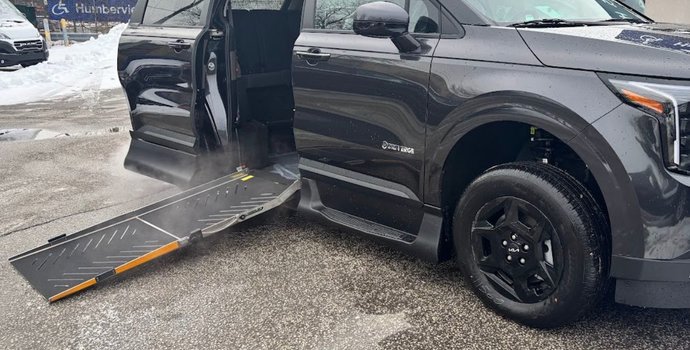
Fall Maintenance Checklist for Your Wheelchair Accessible Van: 5 Tips to Keep It Road-Ready
Fall brings shorter days, wet leaves on the pavement, and a real drop in overnight temperatures across Ontario. For a wheelchair accessible van, that shift puts extra strain on the ramp, lift, tires, and heating system all at once. A few practical checks now can prevent a lot of frustration once winter driving conditions set in. Here are five maintenance steps that apply whether your conversion...

BraunAbility NEMT Vehicle Arrives in Canada Through Humberview Mobility
Humberview Mobility is proud to be the first Canadian dealer to offer the BraunAbility NEMT vehicle, bringing a purpose-built wheelchair- and stretcher-accessible transportation solution to Canadian non-emergency medical transportation (NEMT) operators. The 2027 Chrysler Grand Caravan SXT with BraunAbility Rear Entry NEMT Conversion represents an exciting addition to BraunAbility’s...