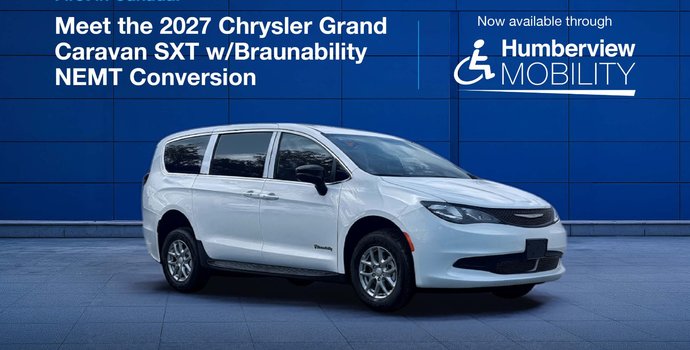
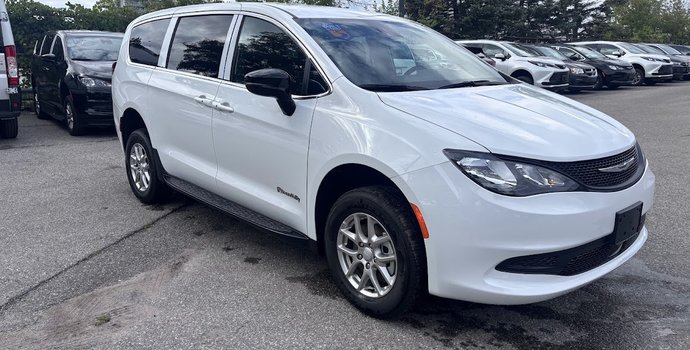
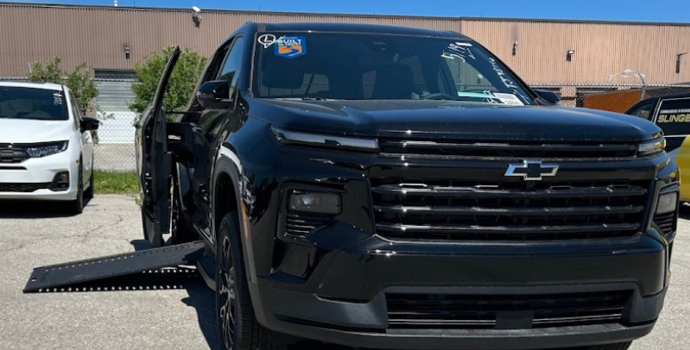
Choosing the right wheelchair van is a significant decision that demands meticulous evaluation and attention to detail. This decision impacts not only the mobility and independence of the user but also their comfort and overall quality of life. Here are some of the elements to consider when you are in the market for a wheelchair van and aren’t sure if you should go with a new or pre-owned model.
Reliability
One of the primary factors to consider when deciding between a new and a used vehicle is the reliability aspect. A new van typically offers a higher level of dependability and fewer service issues, ensuring the user experiences fewer interruptions in their daily routine due to mechanical problems. In contrast, a used van might be more prone to requiring frequent repairs, potentially causing inconvenience and added costs over time.
Customization
Another advantage of purchasing a new wheelchair van is the opportunity to customize the conversion to meet the specific needs of your passengers. With a new van, you have the flexibility to choose the conversion design that best accommodates your passengers' requirements, whether it be a ramp or a lift. This customization allows for a more personalized experience, ensuring the vehicle caters to the unique preferences of its users. On the other hand, a used van may come with limitations and pre-installed conversion features, potentially restricting your choices and leaving you with a less-than-ideal configuration for your passengers' needs.
Pricing
If you can find a pre-owned wheelchair van that has the features you want has been inspected and is reliable, you can save quite a bit. This is the clear advantage of pre-owned models. You will pay less often without sacrificing reliability if you get a quality model. Moreover, if it has been prepared with the features you need, you aren’t sacrificing versatility either.