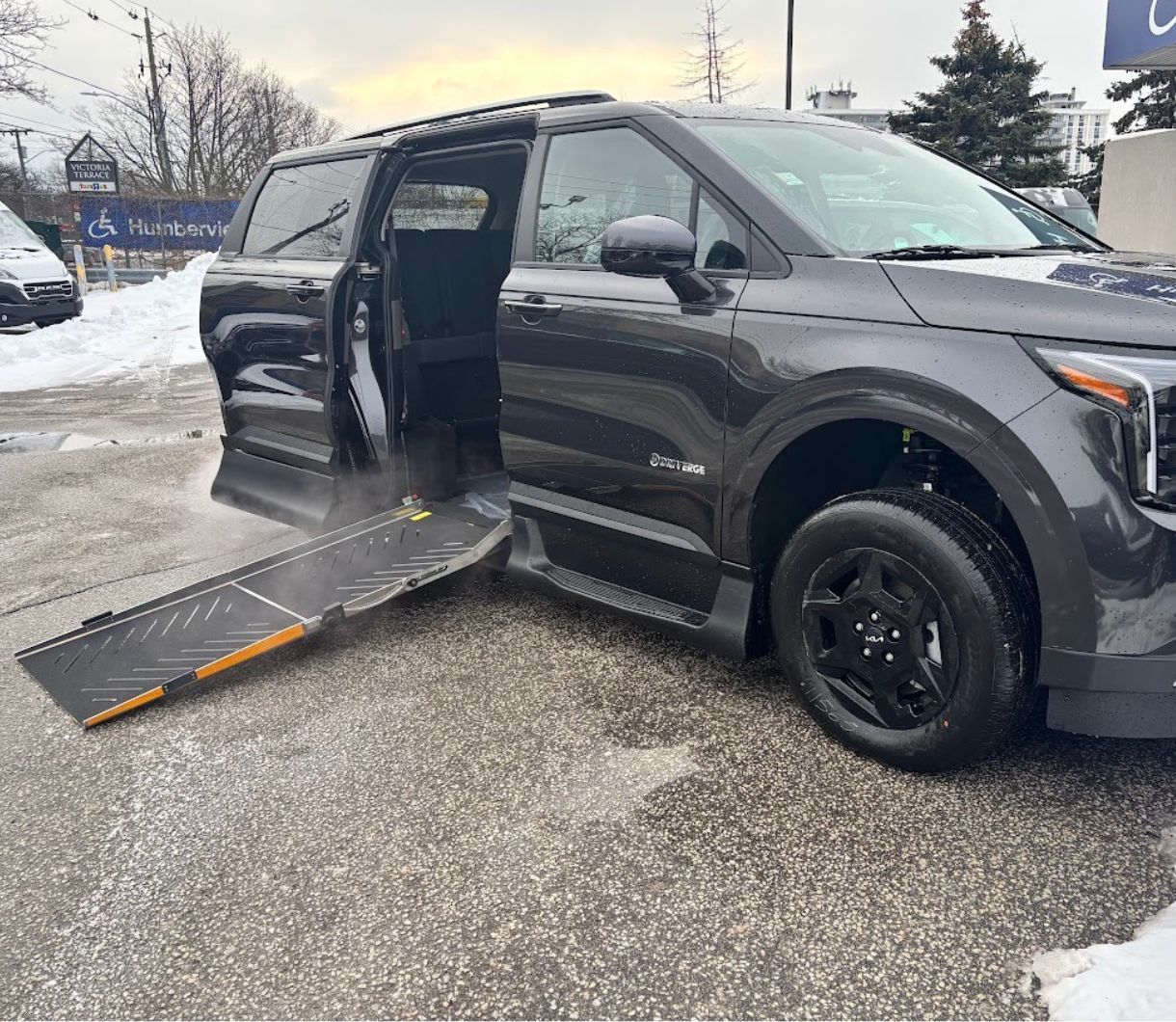
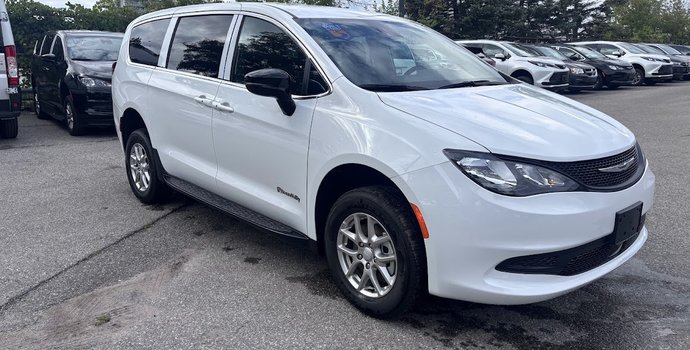
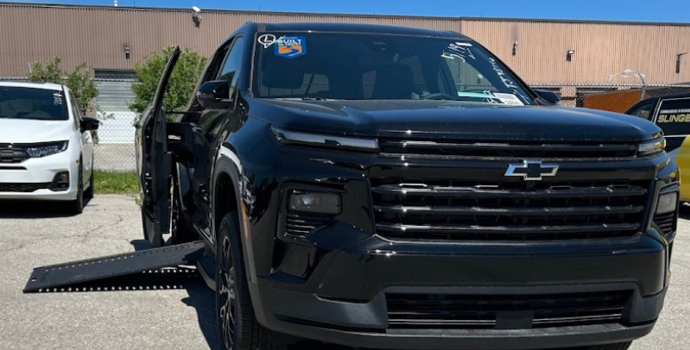
Fall brings shorter days, wet leaves on the pavement, and a real drop in overnight temperatures across Ontario. For a wheelchair accessible van, that shift puts extra strain on the ramp, lift, tires, and heating system all at once.
A few practical checks now can prevent a lot of frustration once winter driving conditions set in. Here are five maintenance steps that apply whether your conversion is built on a minivan, a full-size van, or a cargo-style platform.
1. Book a Fall Seasonal Inspection
Every six months, or around the clock change for daylight saving time, is a natural point to book a checkup for both the base van and the mobility conversion. Industry guidance recommends this timing because it catches brakes, tires, fluids, and the heating system before colder weather makes small problems bigger. A fall visit should look at the vehicle and the conversion hardware together, not just one or the other.
Catching a worn brake pad or a stiff ramp hinge in September beats discovering it on an icy morning later in the season.
2. Clean and Lubricate the Ramp and Lift System
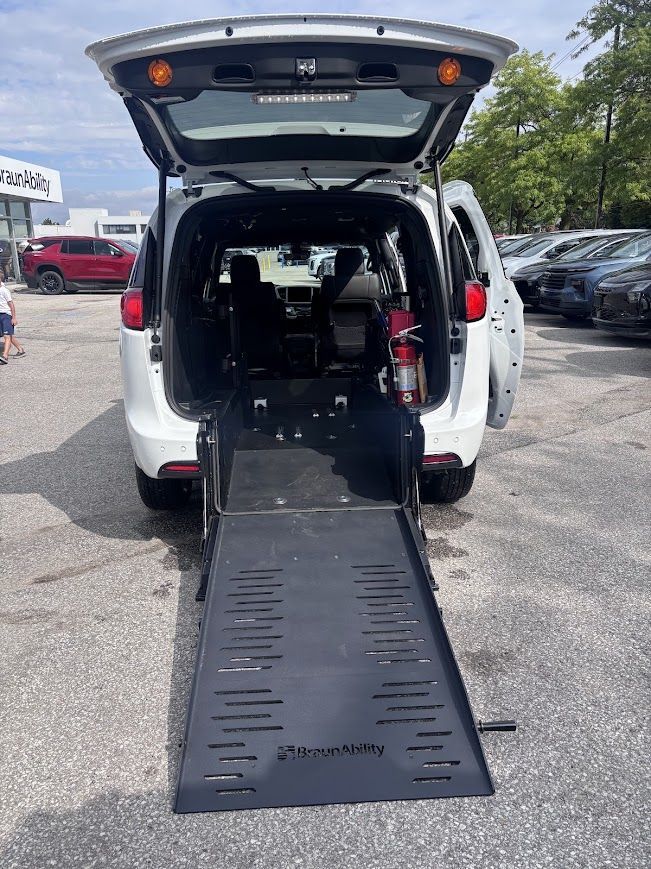
Ramp and lift tracks collect leaves, grit, and road grime through late summer and fall, and that buildup makes the door motor work harder every time it opens or closes. Vacuum the tracks, sills, and undercarriage area regularly, and listen for grinding or slower movement that was not there before. A silicone or Teflon based lubricant on hinges and pivot pins, applied monthly, keeps the mechanism moving the way it should. Avoid petroleum based products, since they attract grit and can gum up the moving parts over time.
3. Check Tire Tread and Pressure Before Roads Turn Slick
Leaves, rain, and early frost all cut into tire traction, so fall is the right moment to check tread depth and confirm every tire is at the correct inflation. Cooler overnight temperatures also lower tire pressure on their own, so a reading that looked fine in August may be low by October. Brake responsiveness matters just as much for a converted van, especially with the added weight of ramps and lifts and the stop-and-go driving that comes with frequent loading and unloading.
If the van feels like it is not tracking straight or stopping as quickly as usual, that is worth a closer look before wet roads make it worse.
4. Inspect Lights, Wipers, and Mirrors for Shorter Days
Shorter daylight hours and rainier weather put more strain on headlamps, brake lamps, turn signals, and hazard lights, all of which matter for safe loading and unloading at the curb. Check that every bulb works, and clean the lenses so light actually reaches the road. Wipers and washer fluid deserve the same attention, since streaking blades and gaps in rear visibility make it harder to see other vehicles when daylight fades earlier in the day. Mirrors should be checked too, particularly if the conversion changes the sightlines a standard van does not have.
5. Test the Heating System and Prepare an Emergency Kit
A working heater and defroster are not a comfort extra, they are part of keeping every passenger safe and alert on a fall drive. Confirm that heat and vents reach every seating position, and that the cabin air filtration is doing its job. Inside the van, keep the floor clean and dry near the ramp and entry area, since wet leaves and rain track in easily and create a slip risk for wheelchair users and anyone transferring in or out.
It is also worth wiping down conversion components to prevent corrosion, since road salt exposure picks up quickly as fall turns to winter. Pack a blanket, a flashlight, gloves, water, and snacks in case of a delay or breakdown.
Fall Checklist at a Glance
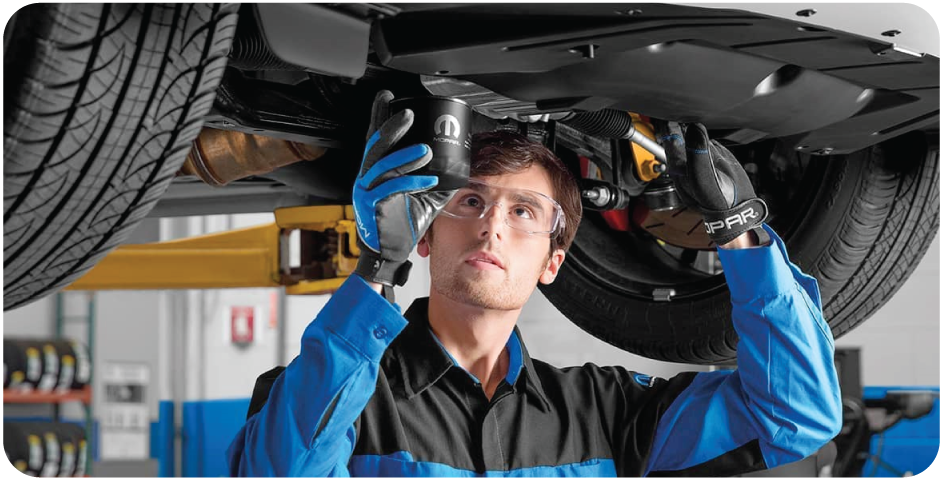
- Check yourself: tire tread and pressure, headlamp and taillight function, wiper blades, washer fluid level, and a quick listen for unusual ramp or lift noise.
- Book a technician: brake inspection, adaptive equipment servicing, heating system diagnostics, and any ramp or lift issue involving grinding, slow movement, or visible wear.
- Order of operations: look first, test function second, and book a service visit only if something looks or sounds off.
When to Call in a Professional
Some issues are simple enough to note and keep an eye on, but a ramp that moves noticeably slower than it used to, a lift that hesitates or grinds mid-cycle, or a brake pedal that feels different are signs the conversion needs a technician rather than a driveway fix. Adaptive equipment combines electrical, hydraulic, and structural parts working together, so a small adjustment done incorrectly can affect how safely a wheelchair user boards or exits.
A dealer who regularly services ramps, lifts, and adaptive equipment, in addition to routine van maintenance, can look at the whole conversion rather than just the base vehicle. That matters more once a small delay or noise turns into something that leaves a passenger stranded on a cold morning.
Keeping Your Wheelchair Accessible Van Road-Ready
A fall inspection that covers the base van, the ramp or lift, tires, lighting, and the heating system helps a wheelchair accessible van stay dependable once daylight shortens and roads turn wet. Small issues caught in September rarely turn into missed appointments in January.
Visit Humberview Mobility in Toronto for a wheelchair lift and ramp inspection, adaptive equipment servicing, or a brake check sized for the added weight of a conversion, before winter driving conditions take hold.