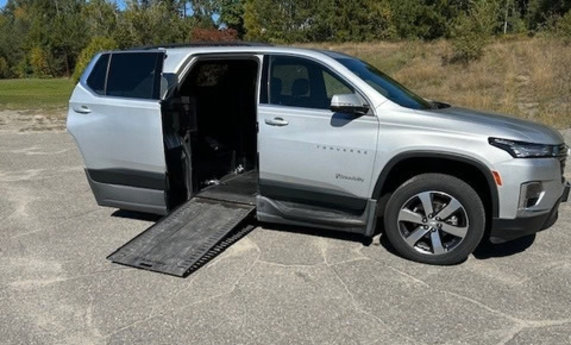
2022 Chevrolet Traverse 3LT

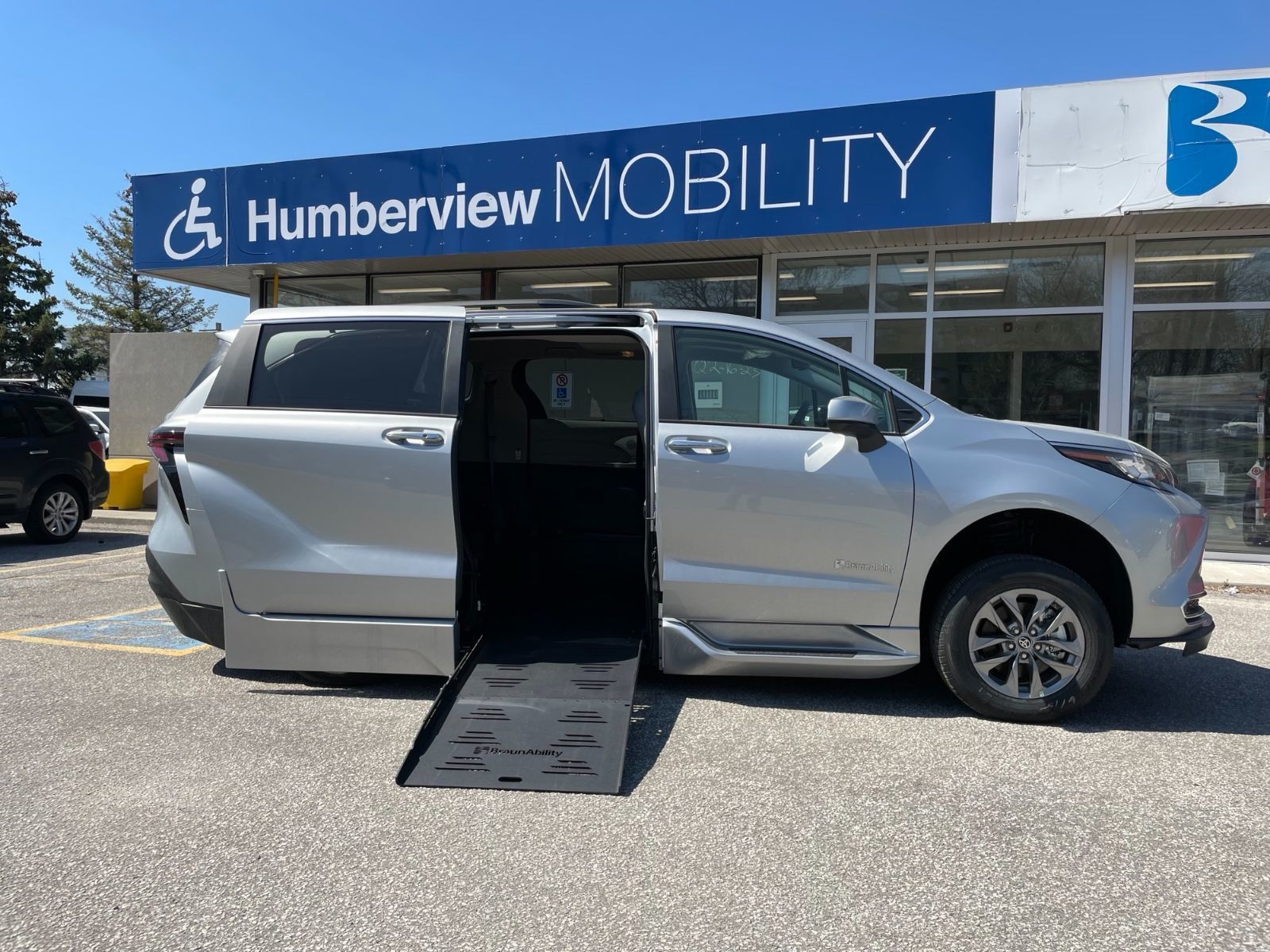
Toronto's roads are changing. More drivers are choosing hybrid vehicles for fuel savings and smoother performance in stop-and-go traffic. Families and individuals needing wheelchair-accessible transportation want modern solutions that don't compromise on efficiency or comfort. Hybrid mobility vehicles combine accessibility features with lower running costs and quieter operation.
Have Questions? Connect with Our Mobility Specialist Today for Personalized Assistance and Expert Guidance!
Contact UsA hybrid mobility vehicle is a wheelchair-accessible van built on a hybrid or plug-in hybrid platform. The base vehicle uses both a gasoline engine and electric motor to improve fuel economy and reduce emissions. The conversion adds accessibility features - ramps, lifts, lowered floors, wheelchair tie-downs, and adaptive equipment. The result supports independent mobility while cutting fuel costs in Toronto's urban environment.
Full Hybrid (HEV): Uses both gasoline engine and electric motor without plugging in. The battery charges through regenerative braking - capturing energy when you slow down. The electric motor assists during acceleration and can power the vehicle alone at low speeds. The Toyota Sienna uses this system across all trims.
Plug-In Hybrid (PHEV): Features a larger battery charged by plugging into an outlet or charging station. It offers up to 40 - 60 km of manufacturer-rated electric range before the gasoline engine engages for longer trips. The Chrysler Pacifica plug-in hybrid delivers this capability.
Mild Hybrid: Uses a small electric system that assists the engine but cannot drive the vehicle independently. It improves fuel economy modestly compared to full hybrids or plug-ins.
The key difference: Full hybrids require no charging infrastructure. Plug-in hybrids offer maximum fuel savings if you can charge at home or work but run on gasoline when the battery depletes.

Lower Fuel Costs: The electric motor handles acceleration from stops and the engine shuts off at red lights. For families making frequent trips to medical appointments or therapy sessions in Toronto traffic, fuel savings accumulate.
Smoother Performance: Regenerative braking makes hybrids smoother in stop-and-go traffic. The transition between electric and gasoline power is smooth, and the electric motor delivers instant torque. For passengers using wheelchairs, smoother acceleration and braking improves comfort.
Quieter Operation: When the electric motor runs, the cabin is quieter - especially noticeable at low speeds in driveways, parking lots, or traffic.
Lower Emissions: Hybrids produce fewer tailpipe emissions than gasoline-only vans. Plug-in hybrids produce zero emissions when running on electricity, contributing to better local air quality.
Battery Placement: In some hybrids, battery location affects conversion design, influencing floor lowering or fuel tank relocation. Working with experienced mobility converters ensures compatibility.
Upfront Cost vs Long-Term Savings: Hybrids cost more upfront than gasoline models. Plug-in hybrids cost more than full hybrids. Fuel savings can offset higher purchase price, but payback depends on driving patterns and charging frequency.
Charging Access for Plug-In Hybrids: Plug-in hybrids need reliable charging access, ideally at home. Installing a Level 2 home charger speeds charging and ensures a full battery daily. Without home charging, plug-in hybrids run on gasoline most of the time, reducing fuel-saving advantages. Full hybrids require no charging infrastructure.

Hybrid vehicles are gaining ground in Canada. Full hybrids overtook zero-emission vehicles in sales in early 2025, reflecting strong interest in fuel-efficient vehicles without charging requirements. In Toronto, hybrids excel in city commuting where regenerative braking and electric-assist work best in congested traffic.
Natural Resources Canada's Auto$mart program highlights how hybrids improve efficiency through:
These features align with Toronto's urban driving conditions. For accessible vehicle buyers, the hybrid trend means more platform options. The Toyota Sienna is now hybrid-only across all trims. The Chrysler Pacifica offers a plug-in hybrid variant.
Wheelchair-accessible vans are available based on several platforms, including:
Full-size solutions include Ram Promaster, Ford Transit, and Mercedes Sprinter. Conversions come from trusted partners like BraunAbility and VMI, with options for side-entry ramps, rear-entry ramps, and lifts.
The Toyota Sienna is a full hybrid across all trims, making it the most widely available hybrid mobility platform in Canada. The Chrysler Pacifica offers a plug-in hybrid variant with up to 40 - 60 km of manufacturer-rated electric range.

What is your typical daily driving distance? For short Toronto trips - medical appointments, errands, therapy sessions - a plug-in hybrid offers electric-only operation within its rated range. For longer distances or frequent highway trips, a full hybrid offers fuel savings without charging.
Can you install home charging? Plug-in hybrids deliver maximum savings with overnight home charging. Without a Level 2 charger, a full hybrid is simpler.
What type of ramp or lift do you need? Side-entry ramps work well in tight Toronto parking lots and winter conditions. Rear-entry ramps require more clearance.
What service and maintenance support do you need? Hybrid systems require specialized service, and accessibility conversions need technicians who understand ramps, lifts, and tie-down systems.
Hybrid mobility vehicles combine fuel savings and smoother performance with accessibility features that support independent mobility. For Toronto drivers and families, they offer a modern solution reducing running costs without compromising comfort or capability. The right choice depends on driving pattern, charging access, and individual requirements.
Visit Humberview Mobility in Toronto to explore hybrid mobility platforms, compare full hybrids and plug-in hybrids, and work with a mobility consultant who can assess your needs and recommend the right vehicle and equipment. Schedule a consultation today to explore how a hybrid mobility vehicle can support your independence and reduce your fuel costs.
You might also be interested in these blogs:
Side-Entry vs. Rear-Entry Wheelchair Vans: Which One Works Best for Ontario Roads and Parking Spots?
Tips When Buying a Pre-Owned Converted Vehicle in Ontario
The Different Kinds of Wheelchair Lifts You Can Install on Your Vehicle
Other customers are interested in:
2022 Chevrolet Traverse 3LT
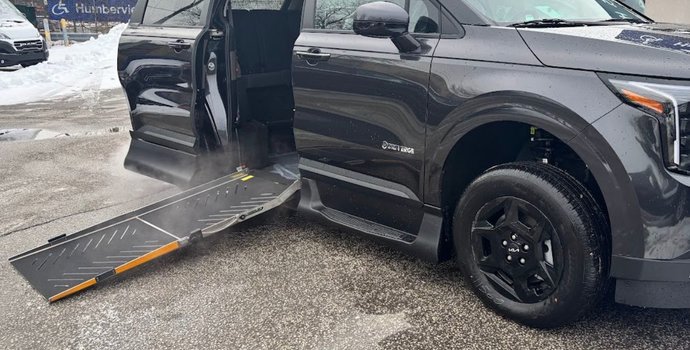
Fall Maintenance Checklist for Your Wheelchair Accessible Van: 5 Tips to Keep It Road-Ready
Fall brings shorter days, wet leaves on the pavement, and a real drop in overnight temperatures across Ontario. For a wheelchair accessible van, that shift puts extra strain on the ramp, lift, tires, and heating system all at once. A few practical checks now can prevent a lot of frustration once winter driving conditions set in. Here are five maintenance steps that apply whether your conversion...
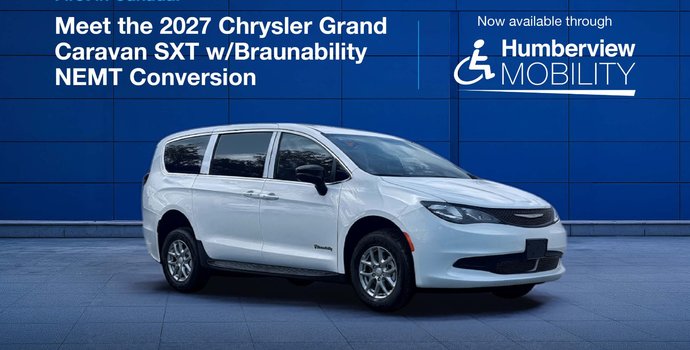
BraunAbility NEMT Vehicle Arrives in Canada Through Humberview Mobility
Humberview Mobility is proud to be the first Canadian dealer to offer the BraunAbility NEMT vehicle, bringing a purpose-built wheelchair- and stretcher-accessible transportation solution to Canadian non-emergency medical transportation (NEMT) operators. The 2027 Chrysler Grand Caravan SXT with BraunAbility Rear Entry NEMT Conversion represents an exciting addition to BraunAbility’s...