Finding the right wheelchair mobility solution starts with understanding your specific needs.
The Ontario market provides two distinct pathways: passenger solutions that focus on safe, comfortable transport through van conversions with ramps or lifts, and driver solutions that equip vehicles with hand controls, steering adaptations, and other devices that enable wheelchair users to operate vehicles themselves. Understanding which category fits your lifestyle - and knowing the trusted brands and dealers who serve Ontario - ensures you invest in the right solution from the start.
Talk to Our Mobility Specialist
Have Questions? Connect with Our Mobility Specialist Today for Personalized Assistance and Expert Guidance!
Contact Us
Understanding Passenger vs. Driver Mobility Solutions
Passenger solutions centre on vehicle access and securement. Side-entry and rear-entry van conversions lower the floor and install ramps or hydraulic lifts, allowing wheelchair users to roll directly into the vehicle and secure their chair using compliant tiedown systems. These conversions work best for families, caregivers, and commercial transport services where the wheelchair user rides as a passenger.
Driver solutions equip the vehicle with adaptive controls. Hand controls replace foot pedals, spinner knobs enable one-handed steering, and power transfer seats rotate outward to simplify the move from wheelchair to driver's seat. These systems are designed for wheelchair users who want to drive independently, whether commuting to work, running errands, or travelling across the province.
Side-Entry vs. Rear-Entry Van Conversions
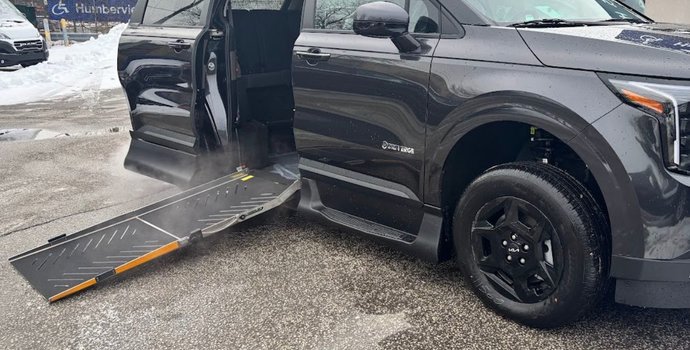
The entry type determines how you access the vehicle and where the wheelchair user can be positioned. Side-entry conversions use the sliding side door, with a ramp or lift deploying from the passenger side. Full-floor conversions lower the entire cabin floor, allowing the wheelchair user to position in the front passenger seat or, with additional hand controls, the driver's seat. Short-floor conversions lower only the centre section, preserving standard front seating for other passengers while creating wheelchair space in the second row.
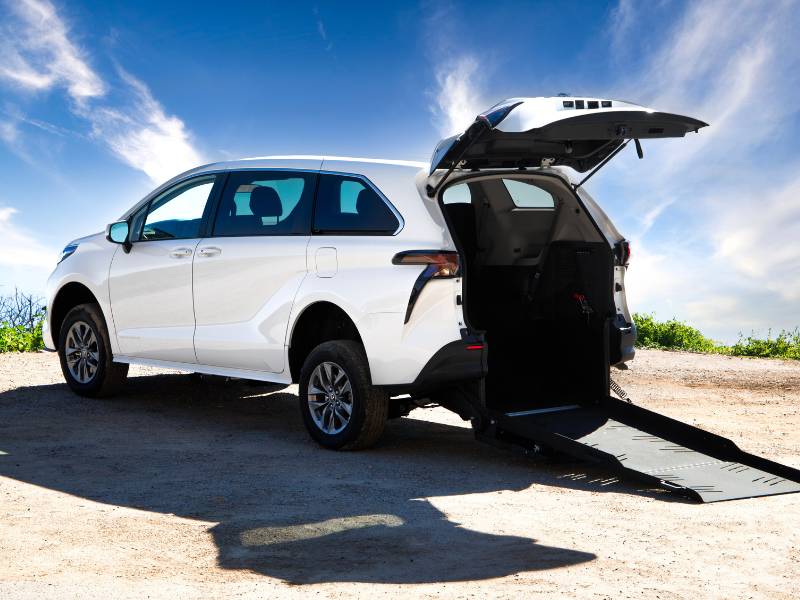
Rear-entry conversions deploy ramps or lifts from the back of the vehicle. The lowered floor extends through the rear cargo area, and the wheelchair user typically positions in the second or third row. Rear-entry designs work well for commercial taxi and paratransit use because they don't require extra clearance beside the vehicle - access comes from behind, making tight parking less of an issue.
Side-entry conversions dominate family and personal use in Ontario. They allow face-to-face interaction between driver and passenger, and full-floor versions support independent driving. Rear-entry remains the preferred choice for fleet operators and accessible taxi services.
Leading Vehicle Platforms for Conversions
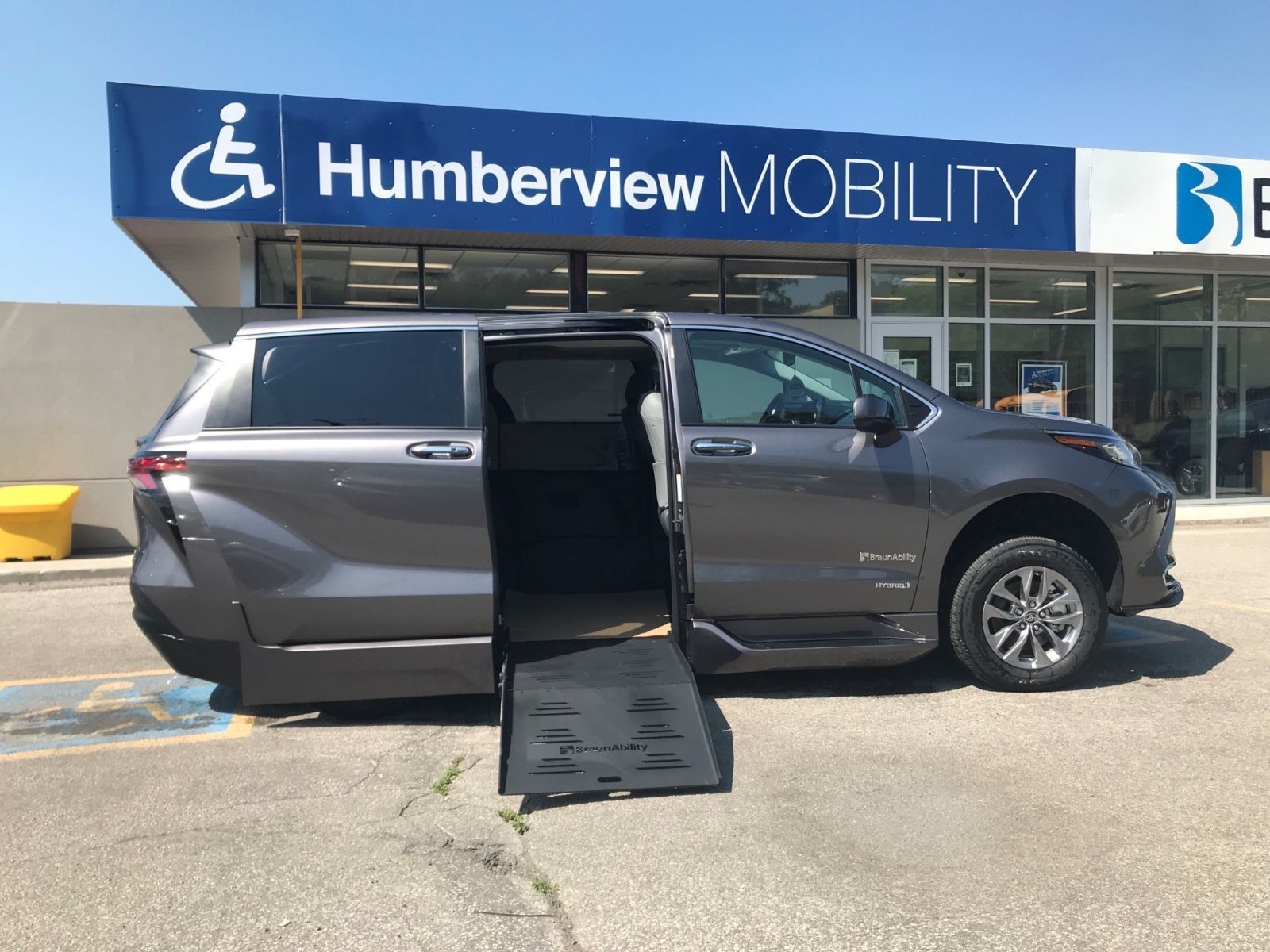
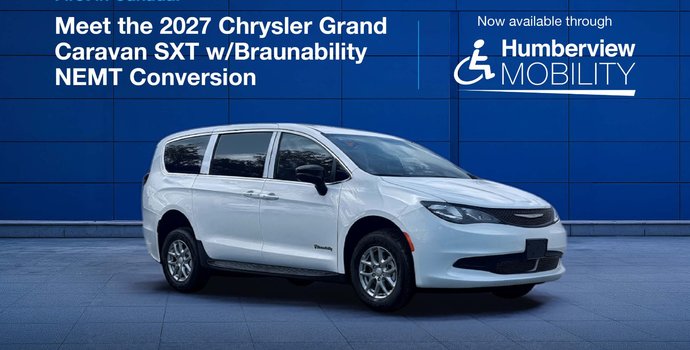
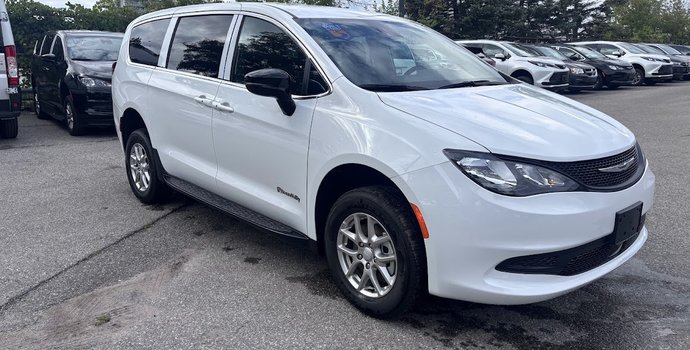
The Chrysler Pacifica is the most popular minivan chassis for wheelchair conversions in Canada. BraunAbility and Driverge both offer Pacifica conversions with door openings ranging from 53 to 57 inches and ramp angles between 8.6 and 10 degrees. The BraunAbility Pacifica features an in-floor ramp 32.25 inches wide, providing one of the largest entry openings available.
The Toyota Sienna Hybrid offers a fuel-efficient alternative. With door openings from 54 to 56 inches, the Sienna appeals to families and organizations that rack up high annual mileage. BraunAbility and Driverge both build Sienna conversions, and the hybrid powertrain reduces operating costs over the life of the vehicle.
The Dodge Grand Caravan remains a workhorse for rear-entry conversions, particularly in the commercial taxi sector. Driverge Canada has built its reputation on Grand Caravan conversions, and the platform's rear-entry configuration suits high-volume fleet use. The Honda Odyssey is another strong family option, with BraunAbility offering side-entry conversions. For buyers who prefer an SUV-class vehicle, the Chevrolet Traverse accommodates ramp or lift installations, and the Ford Transit serves full-size van needs for commercial and fleet applications.
Ramps vs. Hydraulic Lifts
Manual ramps are simple and reliable. They require no electrical power - unlatch, lower to the ground, and roll the wheelchair up the incline. Organizations and families who use the vehicle multiple times daily often prefer manual ramps because they're fast, require minimal maintenance, and eliminate the risk of power failure.
Power foldout ramps deploy hydraulically at the press of a button. The ramp stows vertically inside the doorway when not in use, and deployment takes seconds. Power in-floor ramps slide out from beneath the vehicle floor, creating the widest possible entry opening. The BraunAbility Pacifica's 32.25-inch in-floor ramp is an example of this design, offering maximum clearance for larger power chairs.
Hydraulic platform lifts unfold from the side or rear, lower to ground level, then raise the wheelchair and occupant to the vehicle floor height. Lifts eliminate the ramp angle entirely, making them ideal for heavy power chairs or scooters. Weight capacities for powered ramps and lifts can reach 1,000 lb. Lifts require more maintenance than ramps and take longer to deploy, but they're the preferred choice for rear-entry commercial vehicles and paratransit fleets where users have limited upper-body strength.
Driver Adaptive Equipment
Hand controls are the most common adaptive device for wheelchair users who drive. Push-pull systems use a single lever: push forward to brake, pull back to accelerate. Push-rock systems operate similarly but with a rocking motion. Brands available in Ontario include Sure Grip, Mobility Innovations, Drivemaster, and Menox.
Electronic or digital hand controls calibrate to the vehicle's specific acceleration curve, eliminating the need for a gas pedal guard. The FeatherLite 2.0 system is an example of digitally controlled hand controls that provide precise, smooth input without the mechanical feel of older systems.
Spinner knobs attach to the steering wheel, enabling one-handed driving. Quick-release designs allow the knob to be removed without damaging the wheel, so non-disabled drivers can operate the vehicle normally. Left-foot gas pedals serve drivers who lack right-foot function, allowing them to use the left foot for both acceleration and braking.
Power transfer or swivel seats rotate and lower toward the door, reducing the distance and effort required to transfer from a wheelchair to the driver's seat. These seats are particularly valuable for users with limited upper-body strength or mobility.
Ford Canada's Mobility Program covers hand controls, steering devices, door openers, lifting devices, powered seats, and wheelchair restraints, offering up to $1,000 in reimbursement toward adaptive equipment. GM Canada Mobility and Toyota Canada Mobility Program offer similar support.
Wheelchair Securement and Safety Standards
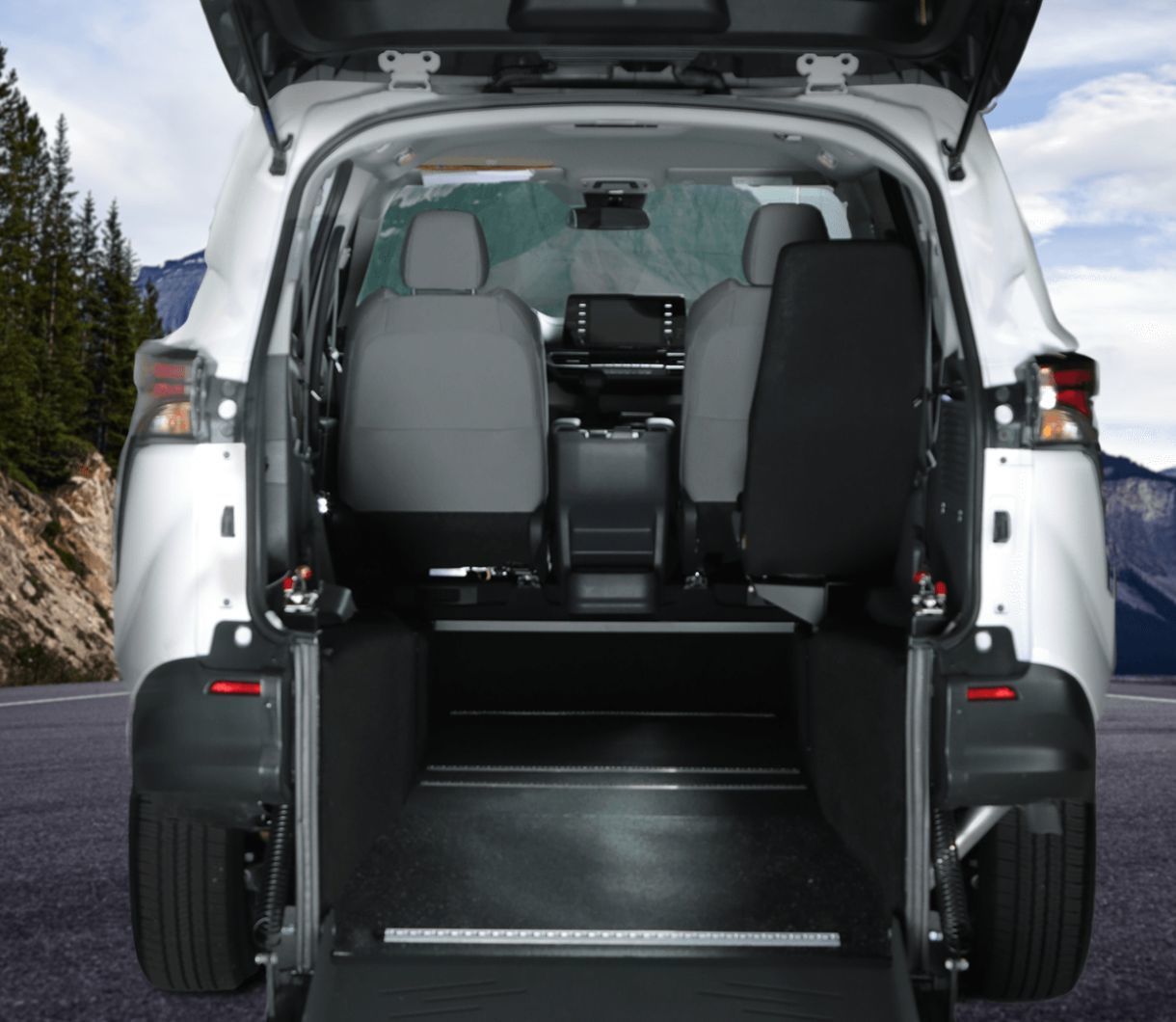
WC19 is the key voluntary standard for wheelchairs used as seats in motor vehicles. WC19-compliant wheelchairs have four crash-tested securement points, allowing tiedown straps to attach quickly and securely with one hand. Not all wheelchairs on the market meet WC19 standards, so Ontario buyers should confirm their personal wheelchair's compliance before finalizing a vehicle purchase.
WC18 and SAE J2249 define the Wheelchair Tiedown and Occupant Restraint System (WTORS). A compliant WTORS uses four-point tiedowns attached to the vehicle floor, securing the wheelchair at all four corners. The system must allow a single attendant to release the wheelchair and occupant in under 60 seconds.
WC20 covers the seating system and cushion used within the wheelchair. The lap-and-shoulder belt must position over the centre of the clavicle and sternum, with the lap portion connecting near the hip - never across the abdomen. Incorrect belt positioning increases injury risk in a collision.
Ontario buyers should work with NMEDA QAP-certified dealers to verify that their wheelchair meets WC19 standards and that the vehicle's WTORS is installed and tested correctly. Dealers certified under the QAP follow strict protocols for securement system installation and provide documentation confirming compliance.
Ontario Funding Programs
The Home and Vehicle Modification Program (HVMP) provides up to $15,000 for vehicle modifications, including lifts, ramps, hand controls, and safety devices. HVMP is administered by the Ontario government and is available to residents who require accessibility modifications to remain independent at home and in their vehicles.
The Driving Rehabilitation Program supports individuals who need hand controls or other driving aids due to physical disability. This program covers assessment, training, and equipment costs, ensuring that drivers can operate their vehicles safely and confidently.
GM Canada Mobility offers up to $1,000 in reimbursement toward mobility equipment for eligible buyers purchasing or leasing a new GM vehicle. Ford Canada Mobility provides up to $1,000 toward adaptive equipment for Ford vehicle buyers. Toyota Canada Mobility Program offers similar financial assistance, helping offset the cost of conversions and adaptive devices.
Choosing the Right Solution for Your Needs
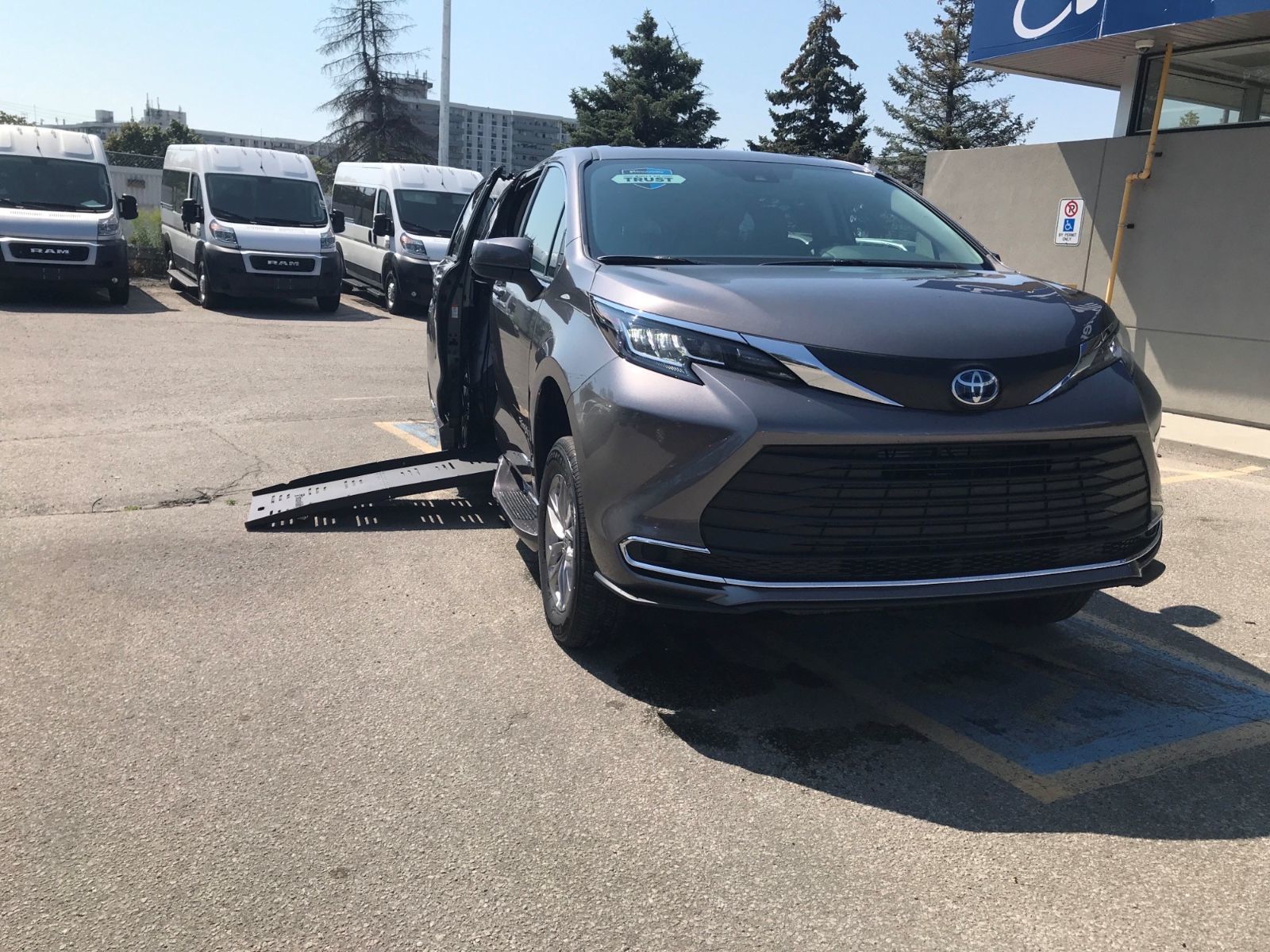
Start by defining your primary use case. If you're a wheelchair user who wants to drive, focus on driver adaptive equipment - hand controls, spinner knobs, and power transfer seats. If you're transporting a family member or client, evaluate side-entry and rear-entry conversions based on your parking environment, passenger count, and budget.
Work with an NMEDA QAP-certified dealer. Certification ensures the dealer follows industry best practices for installation, uses approved components, and provides ongoing service support.
Verify your wheelchair's WC19 compliance before committing to a conversion. A non-compliant wheelchair may not secure properly, creating safety risks and limiting your ability to use the vehicle legally. NMEDA QAP dealers can inspect your wheelchair and recommend compliant alternatives if needed.
Explore all available funding programs. Combining HVMP funding, manufacturer reimbursement programs, and federal EV incentives can significantly reduce your out-of-pocket cost. Dealers experienced in mobility conversions often have staff who can guide you through the application process and help you maximize available assistance.
Visit Humberview Mobility to Explore Your Options
Wheelchair mobility solutions are not one-size-fits-all. The right conversion, adaptive equipment, and funding strategy depend on your specific needs, lifestyle, and budget. Our team at Humberview Mobility understands the Ontario market, works with leading conversion brands like BraunAbility, and can walk you through every step - from initial consultation and vehicle selection to funding applications and post-installation support.
You might also be interested in these blogs:
Tips When Buying a Pre-Owned Converted Vehicle in Ontario
Choosing between side-entry and rear-entry wheelchair vans
The Different Kinds of Wheelchair Lifts You Can Install on Your Vehicle